

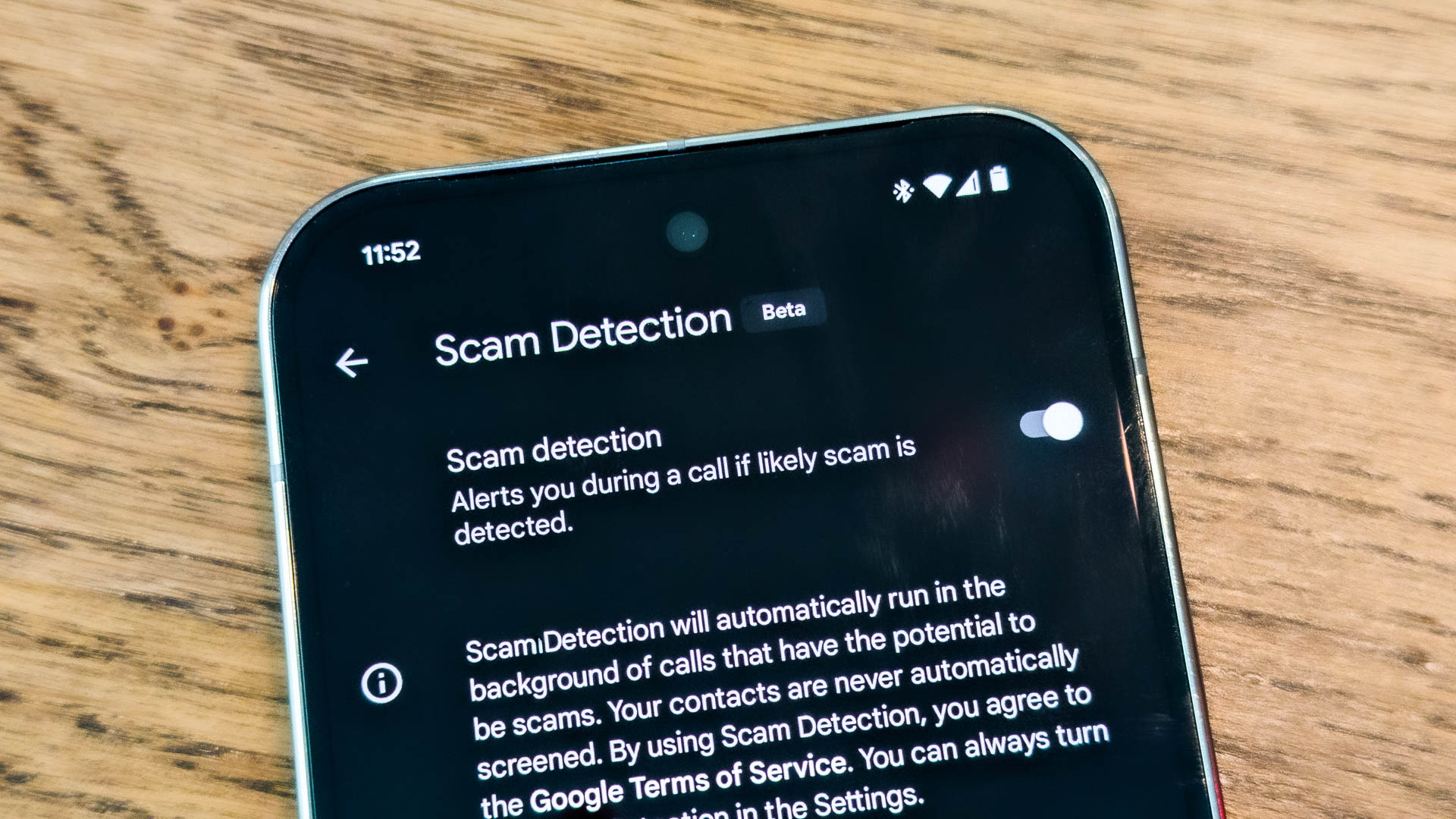
Google's Scam Detection feature has gradually turned into one of the most promising call-protection tools on Android. What began as a Pixel-specific capability is now expanding across the ecosystem, with new evidence suggesting that Xiaomi phones could be next. The discovery points to an accelerating rollout from Google and marks another step in the fight against phone-based fraud, which continues to cost consumers and businesses billions each year.
From Pixel to a broader Android audience
Scam Detection first appeared on Google's own Pixel devices, where it was positioned as a smart safety tool for people who rely on voice calls for banking, customer support, and personal communication. It uses AI models that run locally on the device to examine a call for patterns commonly associated with scams. If the model identifies language cues, pressure tactics, or requests for sensitive information, the caller may be interrupted and warned. The process is designed to happen in real time, giving the user immediate insight into a potentially dangerous conversation.
Pixel users were the first to test the feature while it was still in beta. More recently, Google expanded availability to Samsung's Galaxy S26 series. That was an important step because Samsung is one of the largest Android phone manufacturers in the world. It also opened the door to other device makers that use the Google Phone app as the default dialer on many of their handsets.
Xiaomi appears in Scam Detection code
The latest clue comes from the public beta of the Google Phone app, version 237.0.973536915. A code-level inspection reveals references that mention Xiaomi alongside the existing list of manufacturers that support Scam Detection. While such references do not guarantee a public launch, they strongly suggest that Google's developers are working on making the feature compatible with Xiaomi's devices.
App package teardowns are often used to spot upcoming functionality before it is officially announced. They rely on unfinished code, configuration files, and resource labels that may include internal flags and device lists. In this case, the addition of Xiaomi to a support list indicates that either initial rollout testing is underway or preparations are being made for a near-future expansion. There is no confirmed timetable yet.
Which Xiaomi phones will get Scam Detection
Google did not identify specific Xiaomi models in the beta code. The first candidate that comes to mind is the Xiaomi 18 Fold, which recently debuted at IFA 2026. That device would benefit from a premium security feature like Scam Detection, but there is a catch: the foldable is currently confirmed only for the Chinese market. Scam Detection relies on Google services and is more directly tied to global variants of Android. Because of that, the feature may arrive on a global Xiaomi flagship before it appears on the China-only foldable.
Xiaomi's lineup includes flagship phones, midrange devices, and budget-conscious models. Historically, features like Scam Detection have first appeared on high-end hardware before eventually reaching lower tiers. The exact rollout path may depend on Xiaomi's software updates and on which models run an official version of the Google Phone app outside of China. Xiaomi's HyperOS, which is based on Android, can include or exclude specific Google components depending on the region.
How Scam Detection works
Scam Detection is not a simple call-blocker or spam label. Instead, it listens to the user's side of a live call and evaluates the conversation for suspicious behavior. Because the analysis happens on-device, call audio does not need to be uploaded to a cloud server. That design is critical for privacy, as phone calls can contain personal details such as account numbers, birth dates, and other information that scammers try to steal.
The on-device AI can detect a handful of warning signs. It may recognize a caller who is instructing the user not to hang up and contact the police. It may flag language that pressures the user to buy gift cards, transfer money, or share a one-time passcode. Some scammers also pretend to be customer support agents from banks, government agencies, or delivery companies. The AI is designed to understand these patterns while the call is in progress. If a threat is detected, the phone will interrupt the call with an alert.
Google has described the feature as still in beta. This means that users may occasionally see false positives, where ordinary calls are flagged as suspicious. On the other hand, there might be edge cases where a true scam call is not detected immediately. Google will likely continue to refine the models over time, using carefully collected examples and internal evaluation methods to improve accuracy.
Why device-by-device rollout is complex
Android's openness is one of its biggest strengths, but it also makes security rollouts more complicated than on a single operating system controlled by one company. Phone makers build different software skins, choose different dialers, and follow different update schedules. Even when the underlying code in the Google Phone app is compatible, carriers and manufacturers may need to run their own tests before enabling a feature.
One of the biggest barriers is that not every Android phone uses the Google Phone app by default. Samsung, for example, used its own dialer for years but has moved closer to Google's default apps in recent iterations. Xiaomi's relationship with Google is more region-dependent. In many international markets, Xiaomi devices ship with Google apps. In China, Google services are not included, which is why some features remain limited to global releases. The same split may apply to Scam Detection.
Despite the challenges, Google has been steadily increasing the list of supported devices. Earlier reports already suggested that vivo phones could soon receive Scam Detection. Add Xiaomi to that picture, and the feature becomes available across several of the largest Android brands outside of Google's own Pixel line. This matters because scam calls are not limited to one brand of phone. A successful rollout depends on broad device support, and Android's fragmentation means that users often wait a long time for new security features.
The impact of call-based scams
Phone scams remain one of the most effective ways for criminals to gain access to personal data. Fraudsters use a combination of social engineering, caller ID spoofing, and urgent messaging to trick victims. They may claim to represent a bank's fraud department, a government agency, or a well-known tech company. Many scams pressure victims to stay on the line, making it difficult for them to verify the caller's identity by hanging up and calling an official number.
Google's Scam Detection addresses the core of that trick by acting as an on-call observer. It does not prevent the phone from ringing, and it does not block the call automatically. Instead, it empowers the user with a real-time warning, allowing them to decide whether to continue or end the conversation. The feature may also be useful for family members who are less familiar with the latest fraud techniques.
The expansion to more Android brands is especially important because premium security tools often take months to reach midrange devices. As Scam Detection rolls out to Samsung, vivo, Xiaomi, and other manufacturers, more users will have access to an intelligent safety net during calls.
What users should keep in mind
Scam Detection is not a substitute for common sense. Even with an AI that listens for suspicious activity, users should never share passwords, credit card numbers, or verification codes over the phone unless they initiated the call themselves. Banks and government agencies rarely ask for immediate payment or remote access. If a caller demands secrecy or threatens legal action, that is a strong sign of fraud.
More Android brands joining the list
The latest code clues add Xiaomi to a fast-growing list, but there is no indication that the process is finished. Google could add more manufacturers as it continues to refine the feature. Xiaomi is a major player in markets such as India, Southeast Asia, Africa, and Europe. Many of those regions have high volumes of spam and scam calls, so the feature could have an outsized impact.
The likely rollout path remains the same as previous Android security features: an initial appearance on Pixel phones, followed by flagship devices from partner brands, and then an expansion to lower-cost tiers. Exact availability may vary by carrier, region, and software version. Users who are eager to try the feature should keep the Google Phone app updated and watch for announcements from Google or Xiaomi.
At the time of the latest beta, there is no public confirmation from either company about a launch date. Still, the evidence in the code is a strong signal that work is underway. Scam Detection's expansion to Xiaomi would give the feature one of the largest potential audiences on Android.
Source:Android Authority News