

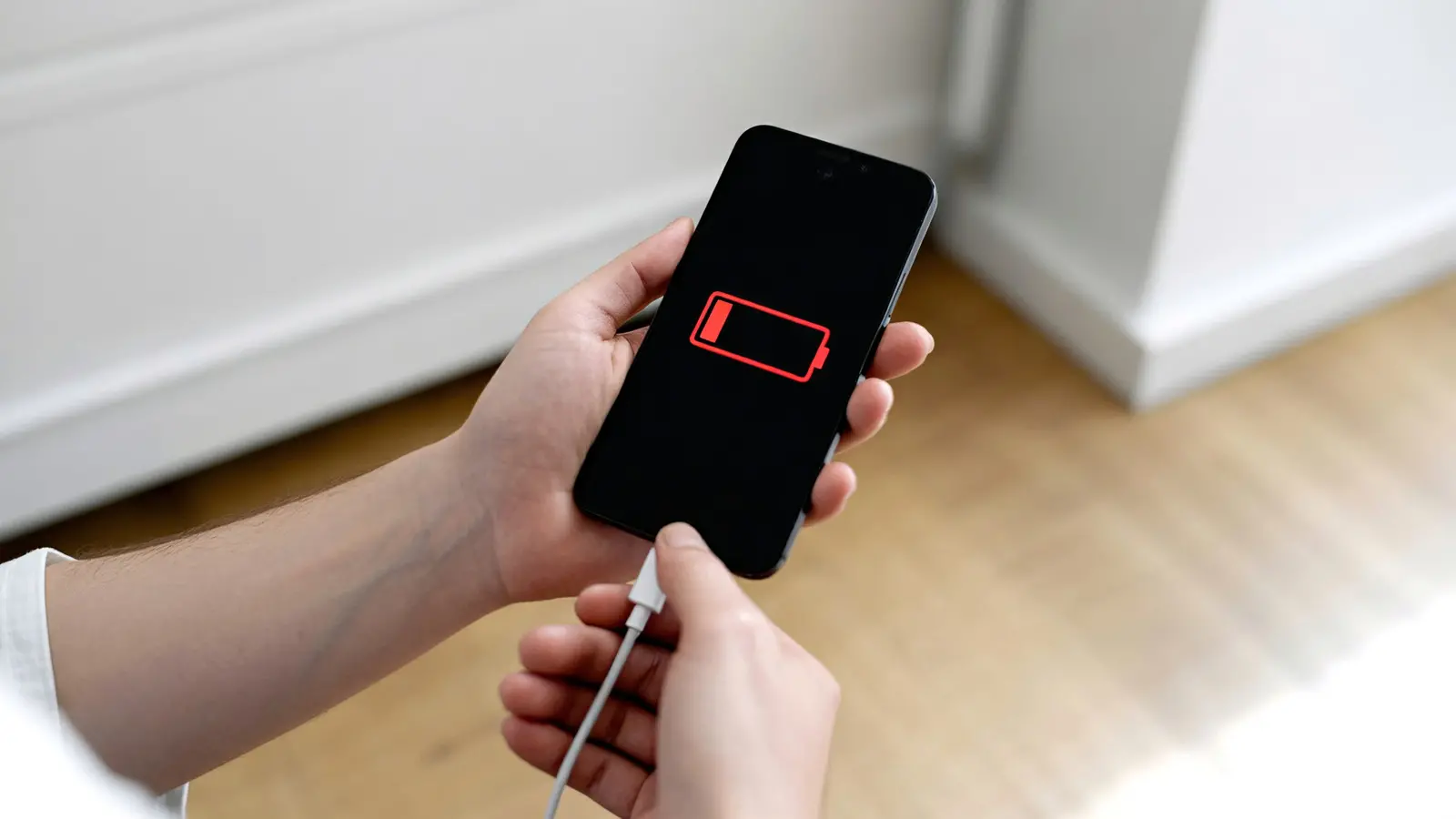
Most people leave their phone chargers plugged into wall outlets even when no device is connected. It's convenient—no need to search for a charger when the battery runs low. But this habit raises a common question: Does an idle charger still consume electricity? The short answer is yes, but the amount is small. However, when considering all the chargers and other devices in a typical home, standby power can add up to a surprising portion of your electricity bill. This article dives deep into the phenomenon of standby power, specifically for phone chargers, and provides practical advice on how to minimize waste without sacrificing convenience.
How Do Phone Chargers Work When Plugged In?
Phone chargers are essentially small power adapters that convert AC (alternating current) from your wall outlet into DC (direct current) at the voltage and current your phone needs. Inside every charger is a transformer, rectifier, and various control circuits. Even when no phone is connected, these components remain energized. The transformer continues to create a magnetic field, and the control circuitry stays active to detect when a device is plugged in. This standby state consumes a small amount of power—typically between 0.1 and 0.5 watts. While that seems negligible, it's a continuous draw that never stops unless the charger is unplugged.
Why Do Manufacturers Design Chargers This Way?
Modern chargers are designed for user convenience. The standby circuitry allows for immediate charging—the moment you connect your phone, the charger can communicate and deliver power without a delay. Additionally, many chargers incorporate safety features like overcurrent protection, temperature monitoring, and short-circuit prevention, all of which require active electronics that stay on. Older, simpler chargers (like those for basic feature phones) might draw less standby power, but they also lack these protections. In recent years, efficiency standards such as Energy Star and the European Union's standby power regulations have pushed manufacturers to reduce idle consumption, but no charger can achieve absolutely zero standby draw without a physical switch.
How Much Energy Does a Single Charger Use in Standby?
Research from various energy agencies, including the U.S. Department of Energy and the International Energy Agency, confirms that a typical phone charger uses between 0.1 and 0.5 watts in standby. Let's put that into perspective: at 0.25 watts, a charger left plugged in for 24 hours consumes 6 watt-hours (Wh) per day. Over a year, that's about 2.19 kilowatt-hours (kWh). If your residential electricity rate is $0.12 per kWh (the U.S. average), the annual cost is approximately 26 cents. However, not all chargers are equal. Some low-quality models may draw up to 1 watt, raising the annual cost to around $1.05. In countries with higher electricity prices, such as Germany ($0.35/kWh) or the United Kingdom ($0.30/kWh), a single charger can cost between $0.73 and $3.65 per year.
What About Multiple Chargers and Other Devices?
The key takeaway is that one charger isn't a major expense, but consider the typical household: many homes have two to four phone chargers, plus chargers for tablets, laptops, smartwatches, wireless earbuds, portable gaming devices, electric toothbrushes, and other gadgets. Multiply that by several rooms—living room, bedrooms, home office, kitchen—and you could have a dozen or more chargers drawing idle power around the clock. Combined, these can consume 100 to 200 kWh per year, adding $12 to $70 to your annual electricity bill. When you include other appliances that use standby power—televisions, cable boxes, gaming consoles, microwaves, coffee makers, smart speakers, and computers—the total standby power consumption can represent 5 to 10% of a typical home's electricity usage, according to data from Natural Resources Canada and the Lawrence Berkeley National Laboratory.
Comparing Phone Chargers to Other Standby Power Users
While phone chargers are often cited as energy vampires, they are far from the biggest culprits. A modern smart TV in standby mode may draw 1 to 5 watts, a cable box can use 15 to 30 watts (often without ever truly turning off), and a gaming console left in instant-on mode can consume 10 to 15 watts passively. By contrast, a phone charger is a minor contributor. Nevertheless, because chargers are so numerous and often overlooked, they represent an easy win for energy savings with minimal effort.
Historical Context of Standby Power
The issue of standby power came to prominence in the early 2000s as more devices began to include digital clocks, remote control receivers, and network connectivity. The International Energy Agency estimated that standby power accounted for about 10% of residential electricity consumption in developed countries. In response, governments around the world implemented regulations. The European Union's Ecodesign Directive, for example, capped standby power for new electronic devices to less than 1 watt by 2010, and later tightened it to 0.5 watts for many product categories. The U.S. Energy Star program also set requirements for low standby modes. As a result, modern phone chargers are significantly more efficient than those made a decade ago, but the problem persists because of the sheer number of devices in use.
Are There Ways to Reduce Standby Power from Chargers?
Absolutely. The most effective method is to physically disconnect chargers when not in use. Unplugging them from the wall or using power strips with switches can eliminate standby consumption entirely. However, this may be impractical if your outlets are hard to reach or if you want to maintain convenience. Fortunately, there are other solutions:
- Use smart power strips: These strips can detect when a primary device (like a laptop or TV) goes into standby and automatically cut power to peripherals, including chargers.
- Install smart outlets: Smart outlets that can be controlled via a smartphone app or voice assistant allow you to remotely disable charger power when you're away or during the night.
- Buy high-quality, energy-efficient chargers: Look for chargers that are Energy Star certified or compliant with the EU's standby power standards. They often have lower idle consumption.
- Choose multi-port chargers: Instead of multiple single-port chargers, use a single multi-port charger that can power several devices. This consolidates standby losses into one device, and many modern multi-port chargers are designed with efficient power management that reduces overall idle draw.
- Inspect and replace old chargers: Older chargers—especially those that feel warm to the touch even when unconnected—may have degraded components and higher standby power. Replacing them with newer models can save energy and improve safety.
- Check for charger wear and tear: Damaged cables or overheating chargers not only waste more energy but also pose fire risks. Regular inspection and replacement are recommended.
Environmental and Financial Impact
While the financial cost per charger is small, the cumulative effect across millions of households is significant. The U.S. alone has over 300 million mobile phone subscriptions, and if we assume an average of two phone chargers per person (one at home, one at work), that's over 600 million chargers. If each uses 0.25 watts in standby for 20 hours a day (many chargers are plugged in all day), the total wasted energy amounts to about 3 terawatt-hours per year—enough to power over 275,000 homes for a year. Reducing this waste not only saves money for consumers but also reduces greenhouse gas emissions from power plants.
Future of Charger Efficiency
The industry is moving toward even lower standby consumption. The latest USB-C Power Delivery (PD) chargers and GaN (gallium nitride) chargers are more efficient than traditional silicon-based chargers, with some achieving standby draws as low as 0.05 watts. Additionally, wireless charging pads often have built-in power management that shuts them down when no device is present, though they still consume a small baseline. Future regulations may push for “zero standby power” by requiring chargers to completely power off when a device is disconnected, possibly using mechanical switches or advanced electronic disconnects. Until then, consumers have the power to make a difference through mindful habits and smart technology choices.
In summary, phone chargers do use electricity when not charging, but the amount is small. The bigger picture involves a home full of energy vampires. By understanding which devices consume the most standby power and taking simple steps to reduce it—like unplugging rarely used chargers or investing in smart outlets—you can lower your electricity bill and contribute to global energy conservation efforts. The convenience of leaving chargers plugged in is undeniable, but with a few adjustments, you can enjoy both convenience and efficiency.
Source:Engadget News