

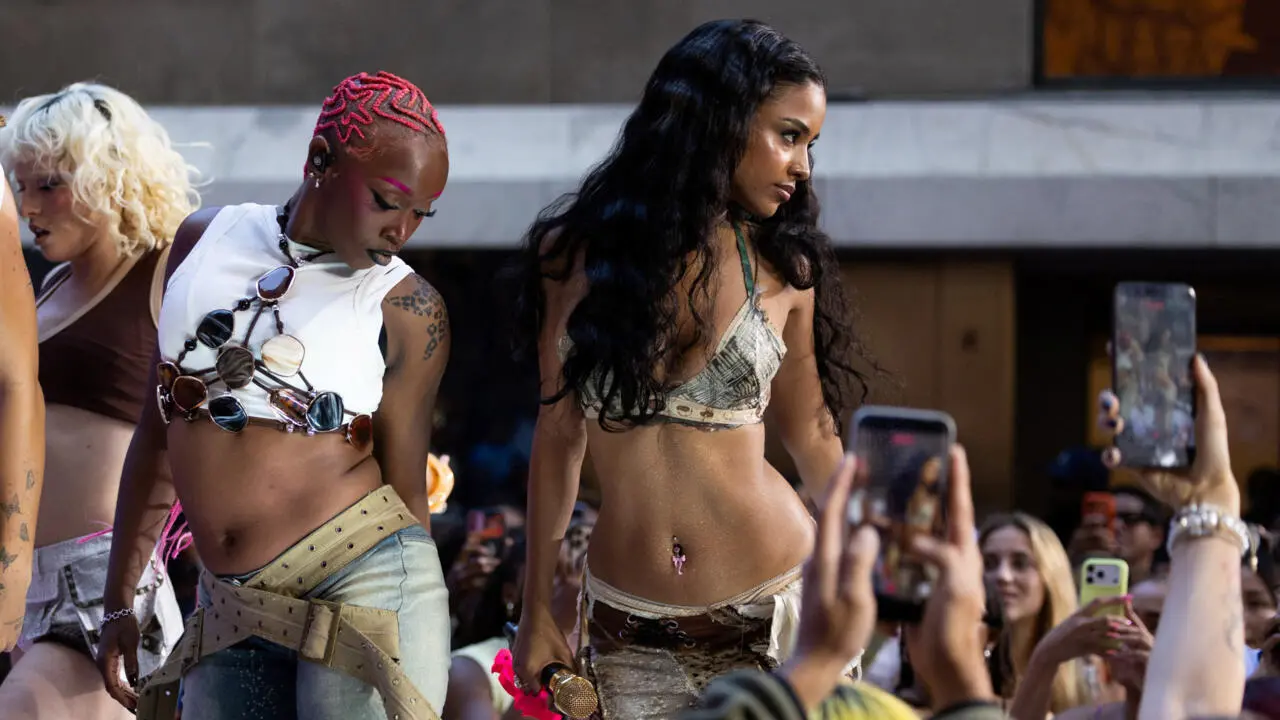
South African afropop sensation Tyla has cancelled her highly anticipated concert in Lagos, Nigeria, which had been scheduled for December 22, 2026. The concert was removed from the singer's official website on Friday, July 31, with no immediate explanation from her management or record label. This cancellation marks the latest flashpoint in a growing diplomatic rift between Nigeria and South Africa, fuelled by recent xenophobic violence in South Africa that has claimed the lives of at least four Nigerian nationals.
The Lagos show was originally announced early in the week as part of Tyla's world tour in support of her second studio album, A-Pop, which was released just days ago. Notably, Lagos was the only African date on the tour outside her home country, making the cancellation all the more significant. Fans in Nigeria had been eagerly anticipating the performance, which was expected to feature songs from the new album as well as past hits. The album itself blends afropop with global pop influences, cementing Tyla's status as one of Africa's most exciting young stars.
Social Media Backlash and Calls for Boycott
While the official reason for the cancellation remains unknown, many observers point to the intense social media campaign against the concert. A popular Nigerian influencer, VeryDarkMan, had called for mass mobilization to prevent the show from taking place. In a series of posts on Instagram, he urged his followers to pressure the organizers, arguing that it was inappropriate for a South African artist to perform in Nigeria while anti-Nigerian sentiment and xenophobic attacks continued unabated in South Africa. His calls quickly gained traction, with thousands of users sharing hashtags demanding the concert's cancellation.
The backlash was not limited to social media. Several Nigerian celebrities and public figures also voiced their disapproval, questioning whether the concert should go ahead given the deaths of Nigerian citizens in recent months. Some argued that music and culture should not be used to paper over deep-seated animosities, while others felt that South African artists needed to openly condemn xenophobia before being welcomed on Nigerian stages. The pressure mounted throughout the week, culminating in the quiet removal of the Lagos date from Tyla's tour schedule.
Diplomatic Tensions Between Pretoria and Abuja
The cancellation occurs against a backdrop of severe diplomatic strain between South Africa and Nigeria. The Nigerian government has been one of the most vocal critics of South Africa's handling of the xenophobic attacks, alongside Ghana. Officials in Abuja have expressed outrage over the deaths of Nigerian citizens and have demanded repatriation of bodies and compensation for victims' families. In several incidents, mobs in South Africa targeted foreign-owned businesses, looting and destroying property, with Nigerian shopkeepers being particularly affected.
In response to the escalating violence, Nigeria summoned the South African ambassador and issued a strongly worded statement condemning the attacks. The Nigerian government also said it was considering economic and diplomatic measures, including a review of existing bilateral agreements. For their part, South African authorities have condemned the violence and pledged to prosecute those responsible, but their efforts have been widely seen as too little, too late. The diplomatic row has overshadowed what had otherwise been a period of growing cultural exchange between Africa's two largest economies.
Historical Context: Burna Boy and the 2019 Xenophobic Attacks
This is not the first time that xenophobic violence in South Africa has poisoned the country's cultural relations with its African neighbors. In 2019, a wave of similar attacks across South Africa led to widespread outrage throughout the continent. Nigerian and Ghanaian citizens were among those attacked, with several deaths reported. At the time, Nigerian music superstar Burna Boy was outspoken in his criticism of the attacks, denouncing what he described as the systemic dehumanization of fellow Africans in South Africa.
Burna Boy's comments were met with mixed reactions in South Africa. He had been slated to appear at a concert against xenophobia in Pretoria and Cape Town, but a collective of South African artists called for a boycott of the events. As a result, Burna Boy was removed from the lineup, a move that sparked further controversy and debate. The episode highlighted the fragile nature of pan-African solidarity and the deep emotions that xenophobic attacks evoke among affected communities.
The parallels between Burna Boy's experience and Tyla's current situation are striking. Both episodes involve a Nigerian audience demanding accountability from South African artists, and both have resulted in performances being cancelled or boycotted. This suggests that the wounds from these recurring outbreaks of xenophobia are far from healed, and that the cultural sphere has become an arena for political grievances.
Tyla's Rise to Stardom
Tyla, born Tyla Laura Seethal, has become one of South Africa's most successful musical exports in recent years. She first gained international attention with her breakout single "Getting Late" in 2019, but it was her 2023 hit "Water" that propelled her to global superstardom. The song reached the top of charts worldwide, earned her a Grammy Award for Best African Music Performance, and made her the first South African solo artist to win that category. Her debut album, released in 2024, was also a commercial success, establishing her as a leading voice in the afropop genre.
Her second album, A-Pop, was released just last week and has been widely praised for its innovative blend of afropop, amapiano, and international pop influences. The album was initially conceived as a celebration of African sounds reaching a global audience, with Tyla stating in interviews that she hoped to bring African pop to the world stage. The tour was announced with much fanfare, and the Lagos date was seen as a symbolic homecoming to the African market, a vital base for her success. Now, with the cancellation, questions arise about how this episode will affect her career and her relationships with fans across the continent.
Impact on Pan-African Cultural Exchange
The cancellation of Tyla's Lagos concert underscores the broader challenges facing artists who seek to travel and perform across the African continent. While African music has gained unprecedented global visibility, intra-continental touring remains fraught with logistical, economic, and now political hurdles. The success of artists like Tyla, Burna Boy, and others has created a sense of shared cultural pride, but episodes like this reveal how easily that pride can be eroded by political tensions and social injustices.
Cultural analysts point out that the controversy is particularly damaging because Tyla is not a politician or a representative of the South African government. She is a young artist whose music has often emphasized unity and joy. Yet she has been put in a position where her concerts are expected to carry political weight. Neither Tyla nor Nigerian fans can fully separate entertainment from the very real suffering caused by xenophobic attacks. For many Nigerians, having a South African artist perform on their soil without first hearing a strong condemnation of those attacks would have felt like a betrayal.
The silence from Tyla's team is itself a subject of debate. Some fans have called on her to make a clear statement against xenophobia, while others argue that she should not be forced to answer for her government's actions. It remains to be seen whether she will address the cancellation directly or issue a statement in the coming weeks. What is clear is that the incident has put a spotlight on the fragile diplomatic and cultural relationship between two of Africa's most powerful nations.
As the year progresses, the continent will be watching to see how both governments respond and whether the wounds will heal. For Tyla, the path forward may require careful navigation, balancing her artistic aspirations with the expectations of a passionate and politically conscious fanbase. Her music, which has always aimed to connect people, now finds itself at the center of a deeply divisive moment. The resolution of this episode will likely set a precedent for how other African artists manage similar situations in the future, and whether cultural diplomacy can ever fully escape the shadows of political conflict.
Source:RFI News