

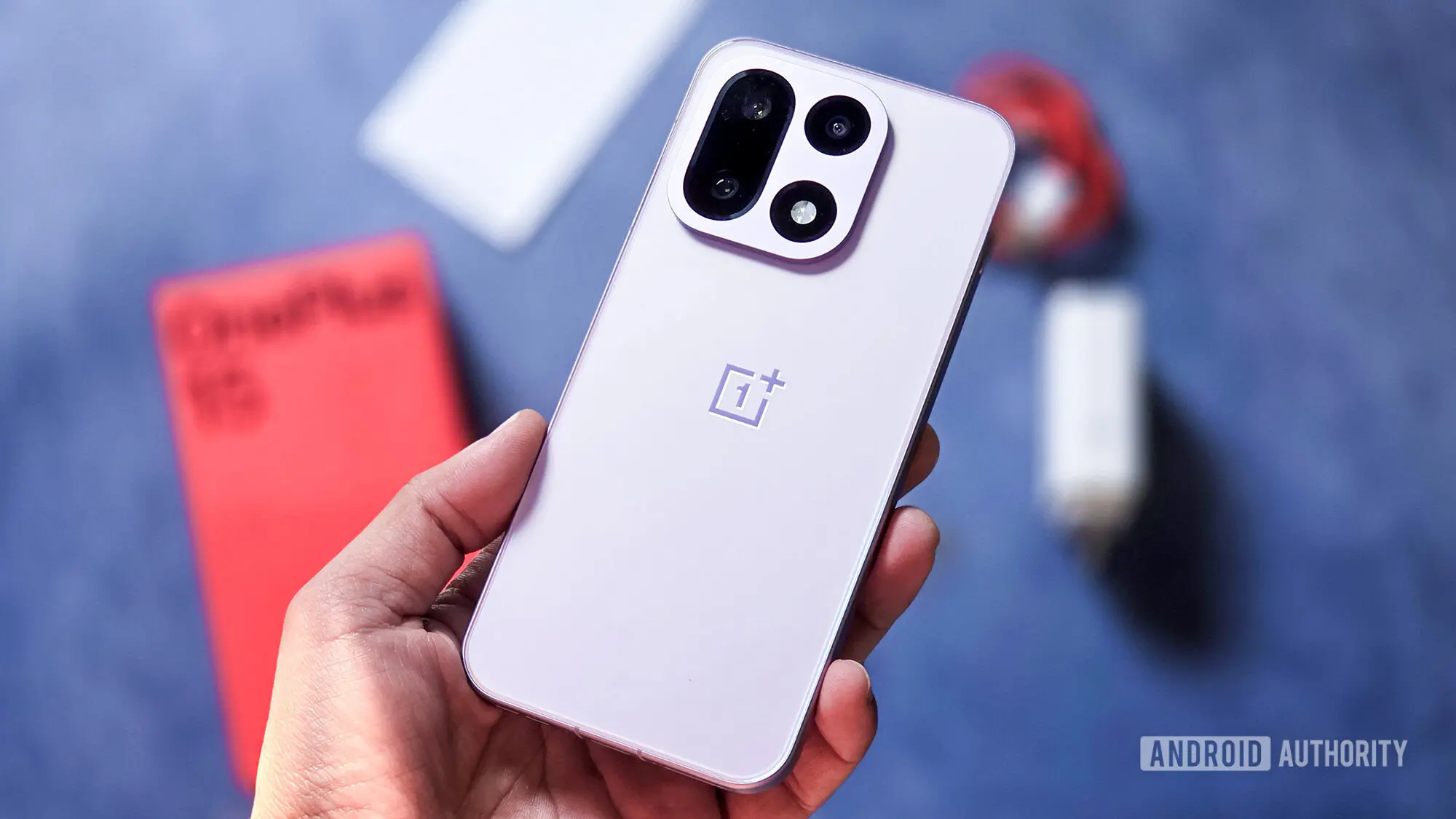
OnePlus has officially confirmed that it is working on the OnePlus 16, marking the company's first flagship since its announced withdrawal from North America and Europe. The confirmation came from OnePlus executive Liu Baoyou during the Snapdragon Gaming Technology Awards in China. An accompanying slide revealed that the upcoming device will feature a 165Hz display and a suite of gaming-focused technologies, signaling that OnePlus is doubling down on its performance-first identity even as it recalibrates its global market presence.
Official Confirmation Details
According to a post on OnePlus's official Weibo account, Liu Baoyou used the Snapdragon Gaming Technology Awards stage to formally acknowledge the OnePlus 16's existence. This may seem like a minor milestone, but it is the first explicit confirmation from the company after months of leaks and rumors. The slide shown at the event included key specifications and capabilities, with the 165Hz refresh rate taking center stage. That display spec is notable because 165Hz is still relatively rare among flagship smartphones, especially outside of dedicated gaming handsets.
The company also highlighted two additional technologies: its Wind Chaser gaming core and a gaming-focused triple-chip design. The Wind Chaser gaming core is believed to be the successor to the OP Gaming Core introduced with the OnePlus 15, which handled frame-rate optimization, thermal management, and touch responsiveness at the system level. The triple-chip approach, meanwhile, follows the architecture used in the OnePlus 15, pairing the primary application processor with dedicated auxiliary chips to offload specific tasks.
Inside the Triple-Chip Design
Based on the information shared and prior leaks, the OnePlus 16's triple-chip setup will likely consist of the Snapdragon 8 Elite Gen 6 Pro processor, a dedicated Wi-Fi chip for improved network performance, and a touch-response chip designed to minimize input latency. This kind of arrangement is increasingly common in high-end gaming-focused phones, as it allows the main processor to focus on core compute tasks while specialized silicon handles connectivity and touch sampling.
The dedicated Wi-Fi chip is especially interesting given the growing emphasis on cloud gaming and low-latency multiplayer experiences. By splitting Wi-Fi processing away from the main SoC, OnePlus can potentially reduce packet loss, improve ping stability, and maintain smoother connections even in congested network environments. The touch-response chip, on the other hand, is designed to deliver faster and more precise input recognition, which can be crucial for competitive shooters and fast-paced action titles.
This triple-silicon strategy is not entirely new. OnePlus has used dedicated hardware accelerators in previous models, but the combination of two auxiliary chips alongside a flagship Snapdragon processor represents a more aggressive approach. It also aligns with the broader industry trend of adding dedicated gaming hardware to flagship phones, a space that has seen growing competition from brands like ASUS, Xiaomi, and Nubia.
A Strong Gaming Focus
OnePlus has long positioned its flagship phones as powerful all-rounders, but the company has increasingly leaned into gaming performance in recent generations. The OnePlus 15 introduced features like a high refresh rate display, advanced cooling systems, and a gaming-specific performance mode. With the OnePlus 16, the company appears to be taking that focus even further by combining a 165Hz screen with its Wind Chaser gaming core and the aforementioned triple-chip design.
The combination of these features suggests that OnePlus is aiming for a seamless gaming experience that goes beyond raw frame rates. The Wind Chaser gaming core likely handles intelligent frame generation and power allocation, allowing the device to maintain sustained performance without excessive heat or battery drain. The touch-response chip could also enable features like faster finger tracking and better palm rejection, which are important for mobile esports.
At the same time, a 165Hz display on a smartphone still relies on the availability of games and content that can actually take advantage of such high refresh rates. Many popular mobile games are still capped at 60Hz or 90Hz, although the number of titles supporting 120Hz or higher is growing. OnePlus will likely need to work with developers to ensure that the OnePlus 16's display can unlock its full potential in supported titles, just as it did with previous high-refresh-rate devices.
Expected Specifications and Launch Window
Beyond the officially confirmed details, several leaks have shed light on what to expect from the OnePlus 16. The device is expected to be powered by the Snapdragon 8 Elite Gen 6 Pro chipset, which should deliver a significant boost in CPU and GPU performance compared to the current generation. A 9,000mAh battery has also been tipped, which would be a substantial upgrade over the already impressive battery capacities seen in recent flagships. If true, that kind of capacity could easily push the OnePlus 16 into multi-day battery territory for moderate users.
Camera enthusiasts may also have reason to be excited. A 200MP periscope telephoto camera is reportedly on the cards, which would represent a major advancement in zoom capabilities. The combination of a high-resolution periscope sensor with OnePlus's computational photography features could make the OnePlus 16 a versatile camera phone, especially for those who value long-range photography.
As for availability, OnePlus has stated that the phone will launch in the second half of the year, which is unsurprising given the typical release cadence of flagship smartphones. A recent leak suggests a more specific October launch window, which would align with the company's historical tendency to release its non-Pro flagship models in the fall. That timeline would also place it in direct competition with other late-year flagship releases from major Android manufacturers.
Context: OnePlus's Market Exit and Global Strategy
This confirmation comes in the wake of OnePlus's announcement that it would stop selling its products in North America and Europe. That decision marked a significant shift for a brand that once cultivated a devoted following among enthusiasts in those regions. OnePlus established itself as an affordable flagship killer in its early years, and its invite-only launch strategy created a sense of exclusivity that resonated with early adopters.
However, the smartphone market has changed dramatically over the past decade. Competition in the Western market became increasingly intense, with established players like Samsung and Apple dominating the premium segment, while Chinese brands aggressively pursued value-oriented consumers. OnePlus's parent company, OPPO, also shifted its own global strategy, and the decision to focus on other markets suggests a pragmatic reallocation of resources.
For consumers in the US and Europe, the availability of the OnePlus 16 is a significant question. The company has already said it will not be officially sold in those regions, but that does not mean enthusiasts will be unable to get one. Importing a phone from another market remains a viable option, and the OnePlus 16 could be an attractive device for those willing to navigate compatibility considerations like carrier band support and local warranty limitations.
Should You Consider Importing?
The leaked specifications for the OnePlus 16 paint a picture of a highly capable device. A 165Hz display, a cutting-edge Snapdragon chipset, a 9,000mAh battery, and a 200MP periscope camera are all premium features that would place it among the best Android phones of its generation. For early adopters and tech enthusiasts, importing such a device could be worth the hassle, especially if the price in China is significantly lower than comparable Western market flagships.
Still, there are potential downsides. A phone purchased for the Chinese market may lack certain bands used in North America or Europe, potentially resulting in slower data speeds or even limited network compatibility. Google Play Services and other Western-facing software features may also require additional setup, depending on the software build. However, OnePlus has typically released global variants of its phones with appropriate software support, and some importers may be able to find versions that work well in their regions.
Another consideration is software updates. If OnePlus does not officially support a global version of the OnePlus 16, importing a Chinese variant could mean relying on the Chinese software channel, which may have different update schedules and preinstalled apps. Savvy users can often work around these issues, but it is not a seamless experience for everyone.
Despite these challenges, the OnePlus 16 represents an important milestone for the brand. It shows that OnePlus continues to innovate and push the boundaries of smartphone performance, even as it narrows its geographical focus. The company's emphasis on gaming technology, high refresh rate displays, and specialized chips suggests that it is firmly committed to serving a niche of performance-oriented users.
The confirmation of the OnePlus 16 also sends a message to the broader industry: OnePlus may be leaving certain markets, but it is not abandoning its flagship ambitions. With the launch expected later this year, there is plenty of time for more details to emerge. Whether the device ultimately lives up to its lofty specifications remains to be seen, but the initial picture is undeniably promising for fans of powerful, gaming-focused smartphones.
Source:Android Authority News