

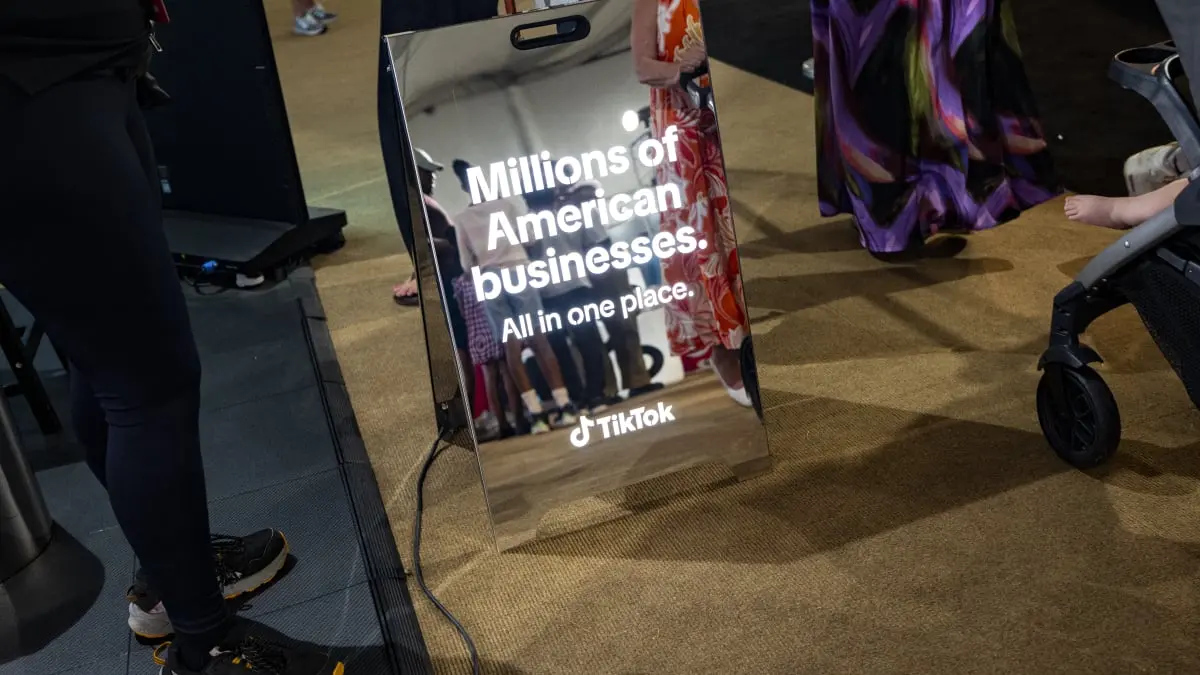
TikTok has become far more than a place to watch dance trends and cooking hacks. In the first half of the year, shoppers spent $50 billion through the platform, according to new data tracking commerce activity on the app. That number represents a major milestone for TikTok's ecommerce ambitions and signals a fundamental shift in how younger consumers discover and purchase products.
The $50 billion figure covers spending across TikTok's various commerce features, including TikTok Shop, in-feed product links, and live shopping events. It reflects a surge in what the industry calls social commerce, where the line between entertainment and shopping fades into a continuous browsing experience. For TikTok, the numbers validate an aggressive strategy to integrate shopping directly into its video feed, rather than sending users to external websites.
Key facts behind the $50 billion figure
The headline number is simple: TikTok shoppers spent $50 billion in six months. But the details matter for understanding the platform's trajectory. This spending happened across multiple regions, with particularly strong contributions from Southeast Asia, the United Kingdom, and the United States. TikTok Shop, the dedicated in-app storefront, is the primary driver of these sales, but the company has also expanded into affiliate commerce, where creators earn commissions for promoting products in videos.
Another key fact is that TikTok's ecommerce growth is not linear. Monthly spending has climbed steadily, with major spikes during shopping festivals like the 10.10 sale and Black Friday promotions. The six-month total also includes purchases made through TikTok's live shopping feature, where sellers broadcast real-time product demonstrations and viewers buy without leaving the stream.
Perhaps most importantly, the $50 billion figure does not include transactions that start on TikTok but conclude on other platforms. If those were counted, the total would be even higher. TikTok has become a discovery engine, with many users finding products through the app and then purchasing them on brand websites or in physical stores.
How TikTok transformed from video app to shopping destination
TikTok's journey into ecommerce began in earnest in 2021, when the company tested TikTok Shop in the United Kingdom and select Southeast Asian markets. Initially, the feature was modest, allowing a limited number of merchants to list products and sell directly through the app. But the company quickly expanded the feature, learning from the success of live commerce in China, where its sister app Douyin had already turned live streaming into a massive sales channel.
In 2023, TikTok launched TikTok Shop in the United States, a move that surprised many retail analysts. The timing was strategic: TikTok needed to diversify its revenue beyond advertising, and the US market offered a vast opportunity for social commerce. The launch was not without hiccups. Early sellers complained about glitches, delayed payments, and slow customer support. Many brands were skeptical about whether a platform known for viral videos could actually drive serious sales.
But TikTok doubled down, subsidizing shipping costs, offering seller incentives, and recruiting a vast network of affiliate creators. The algorithm that made TikTok famous for video recommendations was now being used to recommend products. Instead of searching for a product, users would stumble upon it in a video, driven by the same machine learning systems that keep them engaged for hours.
The role of creators and live shopping
Creators are the engine of TikTok's ecommerce machine. Unlike traditional advertising, which interrupts the user experience, TikTok shopping is embedded in content that already entertains or informs. A beauty influencer posting a makeup tutorial can tag each product used, allowing viewers to tap and buy instantly. A home organization expert can turn a before-and-after video into a sales pitch for storage bins and shelves.
Live shopping has proven especially powerful. During a live stream, creators can demonstrate products in real time, answer questions, and create a sense of urgency with limited-time discounts. TikTok has invested heavily in making live shopping seamless, with features that allow sellers to pin products, display price drops, and process payments without leaving the video.
The results are striking. Some creators have reported earning tens of thousands of dollars in a single live stream. Luxury brands, initially hesitant, are now experimenting with live shopping events. Even established retailers like Target and Walmart have launched TikTok Shop storefronts, hoping to capture the attention of the app's younger demographic.
What the $50 billion means for the ecommerce landscape
TikTok's six-month spending total places it in direct competition with established ecommerce players. While Amazon still dominates online retail with hundreds of billions in annual sales, TikTok is growing at a much faster clip. The platform's ability to drive impulse purchases through algorithmic discovery is unlike anything seen before. Where Amazon excels at efficiency and logistics, TikTok excels at desire and discovery.
Other social platforms have tried to replicate TikTok's success. Facebook Marketplace, Pinterest shopping, and Instagram's checkout feature have all aimed to become social commerce hubs. But none have achieved the same level of integration between content and commerce. On TikTok, shopping is not a secondary feature; it is woven into the core user experience. The endless scroll of videos is now also an endless aisle of products.
For brands, the shift is profound. Traditional digital marketing relied on capturing consumer intent through search engines or targeted ads. On TikTok, intent is created, not captured. A user may not have known they needed a specific kitchen gadget until a video showed it solving a tedious problem. This shift has forced marketers to think like content creators, producing authentic, entertaining videos rather than polished commercials.
Challenges and controversies
The rapid growth of TikTok Shop has not come without problems. Counterfeit goods have been a recurring issue, with some sellers listing fake versions of popular products. TikTok has implemented a brand protection program and removed hundreds of thousands of infringing listings, but the problem persists, particularly on live streams where vetting is more difficult.
Regulatory scrutiny has also intensified. Governments have questioned TikTok's data practices, and there are ongoing debates about whether the platform should be allowed to operate in certain markets. The company has taken steps to address these concerns, including storing US user data on Oracle servers and increasing transparency around its algorithms. But the regulatory environment remains uncertain, and any significant restriction on TikTok's operations would fundamentally affect its ecommerce ambitions.
There are also consumer protection hurdles. Because TikTok Shop is still relatively new, buyers have faced issues with delivery times, product quality, and return policies. The platform has introduced buyer protection guidelines and a dispute resolution system, but some users remain hesitant to make large purchases through the app. Trust, not convenience, is the biggest obstacle to further growth.
The future of TikTok shopping
The $50 billion in six months is likely just the beginning. TikTok continues to roll out new commerce features, including expandable product catalogs, AI-powered shopping assistants, and more sophisticated analytics for sellers. The company is also testing same-day delivery partnerships in several cities, aiming to close the gap with Amazon's logistics network.
Analysts project that TikTok Shop could more than double its sales volume within the next few years if current growth trends continue. The platform is also expanding into new categories, including groceries, electronics, and even automotive accessories. TikTok's ambition is to become the default destination for both entertainment and shopping, a place where users come not just to watch but to buy.
For consumers, the experience will likely become even more personalized. TikTok's algorithm already knows what users watch, how long they watch it, and what they skip. Adding purchase history to that data creates a powerful feedback loop. The more you buy, the better the platform becomes at showing you products you want, which encourages more buying. This flywheel effect is the core of TikTok's ecommerce strategy.
Small businesses have a particular stake in this evolution. TikTok Shop has lowered the barrier to entry for independent sellers, who no longer need to build a website or invest in an Amazon storefront. A single viral video can turn a niche product into a bestseller overnight. This democratization of commerce is exciting, but it also means more competition. Standing out in a sea of creators requires constant content production and a keen understanding of trends.
The next six months will be telling. Holiday shopping seasons typically drive a huge portion of ecommerce sales, and TikTok is expected to launch several major promotions to capture that spending. If the platform can sustain its momentum, the $50 billion figure may be remembered as a modest early milestone rather than a peak. Whether TikTok can overcome its challenges and deliver a safe, reliable shopping experience will determine just how high its numbers go.
Source:Mashable News