

5 US Airports You Need To Visit If You Love Planes
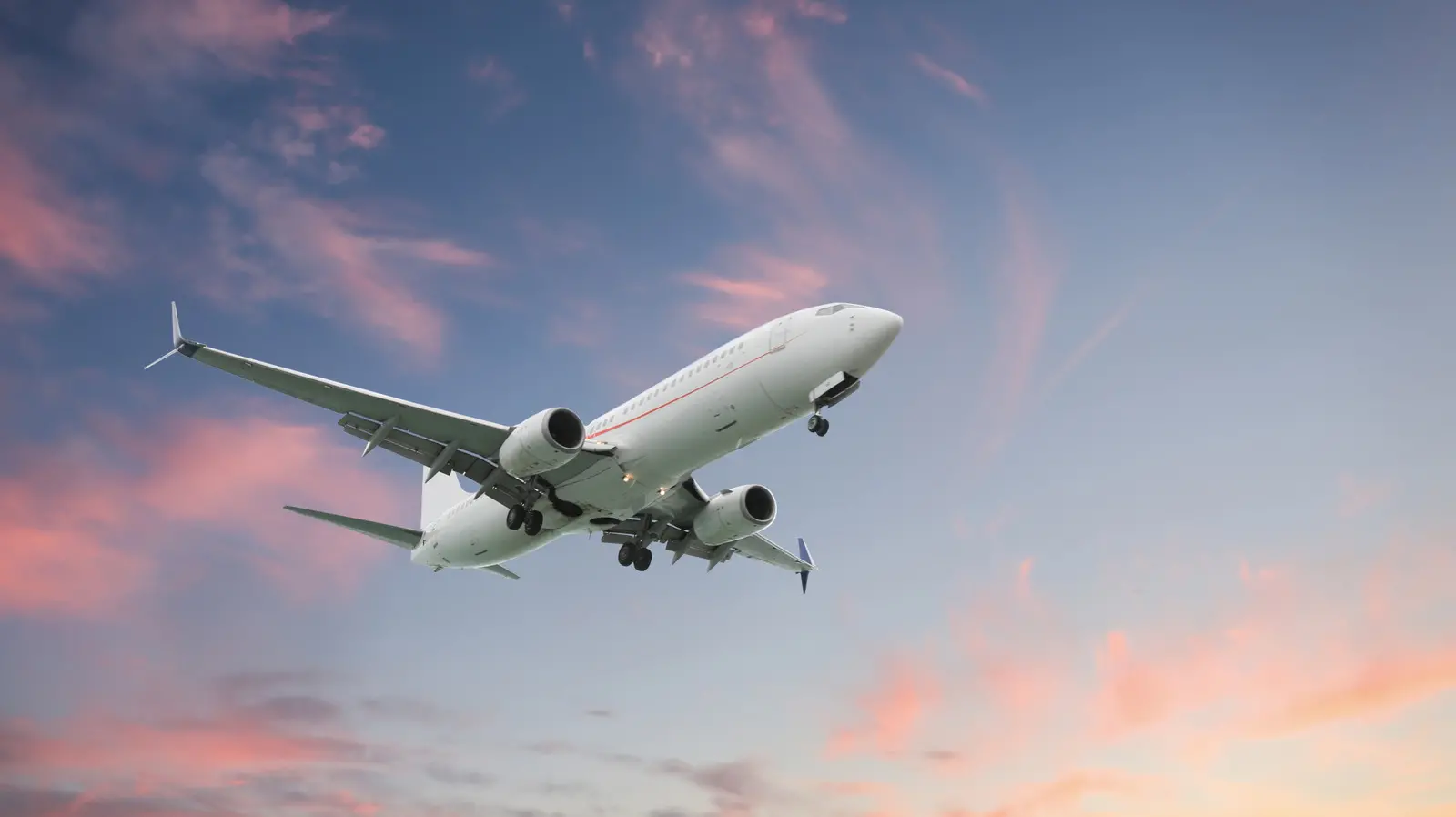
Planespotting, also called aircraft spotting, is a hobby built on watching airplanes take off and land. Some enthusiasts photograph and film aircraft, while others track movements and share reports with a wider community. It can be a casual weekend activity or a serious pursuit involving professional camera gear, flight-tracking apps, and travel planned around runway schedules.
The hobby has roots in World War II. The U.S. government asked civilians to watch the skies for enemy aircraft, and citizens learned to identify plane types and track movements as part of wartime duty. After the war, many people kept watching planes for fun. Today, planespotters gather at airports, parks, parking garages, and museums to see aircraft up close and capture arrivals and departures.
For anyone curious about the hobby, the following five U.S. airports stand out. They offer reliable traffic, accessible viewing areas, and something extra for aviation fans. The selections span both coasts and the interior, so most travelers in the contiguous United States can reach at least one without crossing the country.
Key facts at a glance
- Los Angeles International Airport (LAX): one of the world's busiest airports, known for heavy international traffic and new-generation aircraft. Popular viewing spots include the area near Sepulveda Boulevard beyond Runway 24R and Imperial Hill at Jim Clutter Park.
- Ronald Reagan Washington National Airport (DCA): Gravelly Point offers close views of arrivals and departures, with access from the Mount Vernon Trail or the George Washington Memorial Parkway.
- Dallas Fort Worth International Airport (DFW): Founders Plaza is a designated planespotting area with views of passenger and cargo aircraft. The airport handles more than 70 million passengers a year and has seven runways.
- Phoenix Sky Harbor International Airport (PHX): the top levels of the Terminal 4 and Terminal 3 parking garages provide broad views. Winter is the most comfortable season for a visit.
- Dulles International Airport (IAD): the Udvar-Hazy Center and its Observation Tower combine live airport views with aviation and space artifacts, including the Concorde and Space Shuttle Discovery.
Los Angeles International Airport (LAX): parking lots and parks
Los Angeles International Airport, known by its code LAX, is a natural starting point for plane lovers. The weather is often favorable for long viewing sessions, and the airport opens onto one of the world's most recognizable cities. The main drawback is crowds, both at the airport and at popular viewing spots. Those crowds exist for a reason: LAX offers some of the best planespotting in the country.
Located about 16 miles from downtown Los Angeles, LAX is one of the busiest airports in the world, with hundreds of flights arriving and departing daily. Its position near the Pacific Ocean and its connection to a global cultural hub bring in aircraft from across the globe. The airport also sees more new-generation planes than many other North American airports, making it a strong destination for anyone hoping to see an Airbus A380 or a Boeing 787 Dreamliner.
The most famous viewing area sits near a popular burger stand on Sepulveda Boulevard, just beyond Runway 24R. Visitors willing to handle the crowds can watch aircraft on final approach while grabbing a meal. For more open space, Imperial Hill at nearby Jim Clutter Park offers elevated views and room to spread out. Both locations are well known among local planespotters, and both can reward patience with a steady flow of heavy jets and international carriers.
LAX is also a good reminder that planespotting does not require a runway-side pass. Public parks, parking areas, and sidewalks can provide excellent sightlines. The key is to respect airport rules, stay in public areas, and avoid interfering with traffic or airport operations. At LAX, the mix of ocean air, constant activity, and global aircraft makes the effort worthwhile.
Ronald Reagan Washington National Airport (DCA): Gravelly Point
Gravelly Point is one of the most popular planespotting locations in the United States. Located within the George Washington Memorial Parkway, it sits close to Ronald Reagan Washington National Airport, giving visitors a front-row seat to incoming and outgoing aircraft. The site is so closely associated with planespotting that its viewing value is a central reason people visit.
The National Airport opened in 1941 on 860 acres and has been expanded and updated several times. It originally had four runways; one was later closed and is now used for aircraft parking and as a taxiway. The closure did not diminish the views from Gravelly Point. The airport is a short-haul facility, with flights typically traveling no farther than 1,250 miles, though a few major cities outside that perimeter have exceptions. Takeoffs and landings are relatively limited, at about 60 per hour, but that pace suits the relaxed, grassy viewing area.
Visitors can reach Gravelly Point just north of the airport on foot via the Mount Vernon Trail or by heading north on the George Washington Memorial Parkway. The location is especially appealing because it combines easy access with close aircraft views. Families, photographers, and casual observers can set up on the grass and watch planes pass overhead. The experience is less about nonstop heavy traffic and more about a steady rhythm of arrivals and departures in a park-like setting.
For first-time planespotters, DCA offers a comfortable introduction. The airport's short-haul focus means many aircraft are smaller or narrow-body types, but the close proximity makes each movement easy to see. Gravelly Point also benefits from its location along a major recreational trail, so a planespotting trip can easily include a walk or bike ride. The combination of accessibility, scenery, and regular aircraft activity keeps the site popular year after year.
Dallas Fort Worth International Airport (DFW): Founders Plaza
Dallas Fort Worth International Airport opened in January 1974 with a 600-room hotel, shops, restaurants, and other amenities. Since then, DFW has grown dramatically, serving more than 70 million passengers each year. The airport flies to nearly 200 domestic destinations and 67 overseas locations. In addition to a dense flow of passenger planes, planespotters can also watch cargo aircraft take off and land.
Positioned between the cities of Dallas and Fort Worth, DFW serves Texas and acts as a common layover point between the coasts. It is the third-busiest airport in the world in terms of passengers and operations, with seven runways spread over nearly 30 square miles. That scale translates into constant traffic and plenty of opportunities for planespotting. The airport's layout also means different viewing areas can offer different angles and aircraft types.
DFW has a designated planespotting area at Founders Plaza, which is a significant advantage. Many airports do not offer official viewing spaces, and photographers can sometimes face questions from security or other visitors. At Founders Plaza, planespotting is encouraged, so visitors can be confident they are in the right place. The views are excellent, but because the area is designated, it tends to get crowded, especially on weekends and during pleasant weather.
Founders Plaza is a good choice for groups and families because it provides a clear purpose and a safer environment for watching aircraft. The airport's size means there is always something moving, from narrow-body domestic jets to wide-body international aircraft and cargo planes. For travelers passing through DFW, a stop at Founders Plaza can turn a layover into a mini aviation event. For local enthusiasts, the designated space makes repeated visits easy and predictable.
Phoenix Sky Harbor International Airport (PHX): parking garages
Phoenix Sky Harbor International Airport traces its history to 1935, when the city bought the existing 285-acre Sky Harbor Airport for $100,000. In 1952, the airport added Terminal 1, and as air travel grew, a total of four terminals were built. In 1991, Terminal 1 was torn down, but the other terminals kept their numbers. Today, PHX has no Terminal 1.
In 2024, PHX handled more than 52 million passengers and nearly half a million takeoffs and landings, offering plenty of traffic for planespotters. The most popular place to watch aircraft is the top level of the Terminal 4 parking garage. From there, visitors can see both parts of the airport, with additional views from the top of the Terminal 3 parking garage. The elevated positions help observers see over fences and ground equipment, making the parking garages practical viewing platforms.
Phoenix can be oppressively hot, particularly on the top of a parking garage, so visitors should bring water, snacks, and appropriate clothing. Unlike many other airports around the country, PHX is perhaps best visited in winter, when temperatures are more comfortable and long viewing sessions are easier. As an added bonus, travelers flying through PHX can enjoy great views from the concourses in Terminals 3 and 4.
The parking-garage approach shows how planespotting often depends on finding public spaces with a clear line of sight. At PHX, the top decks provide a broad perspective on airport operations without requiring special access. The airport's desert setting also creates distinctive lighting for photography, especially in the early morning and late afternoon. For enthusiasts who want a warm-weather planespotting destination, Phoenix offers a combination of heavy traffic, accessible viewpoints, and a seasonally comfortable window in winter.
Dulles International Airport (IAD): Udvar-Hazy Center
Most airports offer local art, small museum exhibits, or other entertainment to fill time between arrival and departure, but Dulles International Airport offers something far more ambitious. The Udvar-Hazy Center is an annex of the Smithsonian's National Air and Space Museum located at the airport. Planespotters favor the Observation Tower, which overlooks the airport, but that is just the beginning of what the center offers aviation enthusiasts.
Calling Udvar-Hazy an annex undersells what it is. The center houses artifacts that are too large to display in other parts of the National Air and Space Museum. Those artifacts include aircraft such as the Concorde, spacecraft such as the Space Shuttle Discovery, and rockets. Two large hangars contain thousands of artifacts from the history of aviation and space exploration, including more than 200 aircraft and spacecraft. Visitors can even watch museum staff restore artifacts in the Preservation and Restoration Hangar.
Admission to the Udvar-Hazy Center is free, with a fee for parking before 4 p.m. At the time of writing, the center was temporarily closed due to a government shutdown. For planespotters, the Observation Tower adds a live-airport dimension to the museum experience. Instead of choosing between watching planes and learning about aviation history, visitors can do both in one trip.
The combination makes IAD a standout destination for anyone who loves planes. The Observation Tower gives a view of aircraft movements at a major international airport, while the museum provides context for the machines and missions that shaped aviation. The center's collection ranges from early flight to the space age, and the restoration hangar offers a behind-the-scenes look at how historic aircraft are preserved. For a planespotting trip with educational depth, Dulles and the Udvar-Hazy Center are hard to match.
Source:SlashGear News