

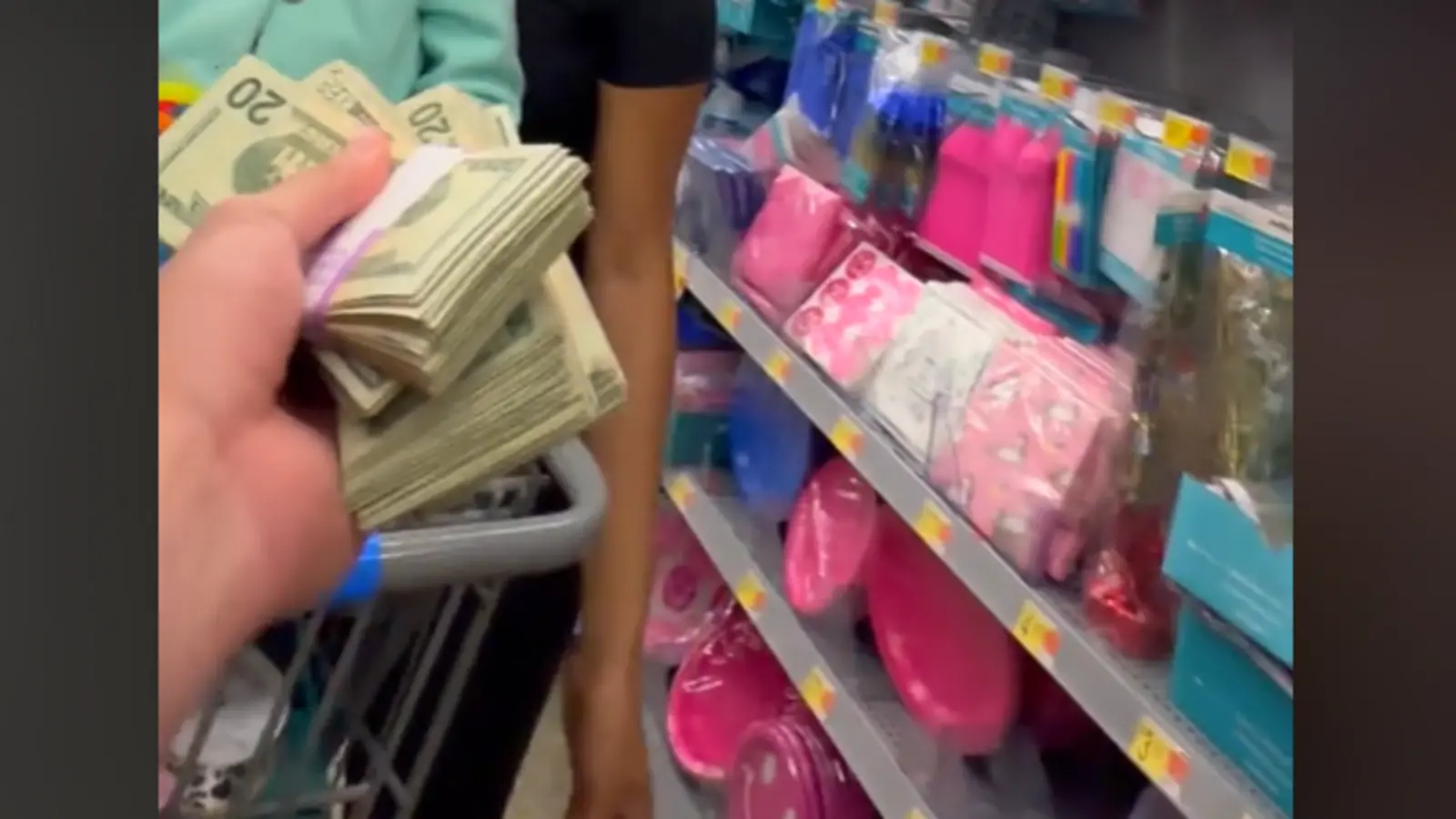
The practice of filming charitable acts for social media has become a pervasive trend, often referred to as "charity porn." It involves individuals, frequently influencers or content creators, recording themselves giving money, food, gifts, or other assistance to people experiencing homelessness or poverty, with the primary intention of publishing the footage online to attract views, likes, and followers. While the acts themselves may appear altruistic, critics argue that this phenomenon commodifies human suffering, reduces complex social issues to feel-good entertainment, and prioritizes the creator's self-promotion over genuine aid.
What Exactly Is Charity Porn?
The term "charity porn" is a derivative of "poverty porn," a concept that gained traction in the early 2000s. Poverty porn originally described media content—such as advertisements, documentaries, or news reports—that exploited the poor by presenting their suffering in a sensationalized manner to evoke pity, donations, or ratings. Charity porn applies this same logic to the social media landscape, where individuals film their own benevolent actions, often staging them for maximum emotional impact. The goal is not just to help but to generate viral content that can be monetized or enhance the creator's personal brand.
Social media platforms like TikTok, Instagram, and YouTube are rife with such videos. A typical clip might show a creator handing a wad of cash to a homeless person, buying groceries for a struggling family, or surprising a child with expensive gifts—all while a camera captures every moment. The footage is then edited to emphasize the recipient's reaction, often with slow-motion or heartfelt music, and posted with hashtags like givingback or blessed.
The Rise of Performative Altruism
Critics have coined the term "performative altruism" to describe this behavior. Mariama, a TikTok user who spoke out against the trend, stated: "It's alarming. The abundance of videos that capitalize on human misery just to get a million views is crazy and quite concerning. It's performative altruism. It looks generous, touching, inspiring… but is it really charity or just a setup to generate views and engagement?" Her comment reflects a growing sentiment that many creators are more interested in personal gain than the welfare of those they claim to help.
Constance Vilanova, a journalist interviewed by Arte, elaborated on this point: "Charity porn is, for some influencers, a way to buy back a conscience, especially when they otherwise flaunt their wealth and possessions ostentatiously on social media." Indeed, many influencers who post charity content also showcase luxury cars, designer clothes, and extravagant vacations, creating a stark cognitive dissonance. By filming a single act of kindness, they can momentarily deflect criticism and polish their public image—a phenomenon sometimes called "charity washing."
MrBeast: A Case Study
Perhaps the most prominent figure associated with charity porn is MrBeast (Jimmy Donaldson), the most-subscribed individual YouTuber. Known for his high-budget stunts and giveaways, MrBeast has produced videos like "Click This Video to Feed a Person" and "I Helped 2,000 People Walk Again," where he funds expensive medical procedures. In April 2025, MrBeast responded to criticism on X (formerly Twitter), sharing a screenshot of his video analytics. He claimed that his two worst-performing videos of the year were the ones where he helped people, suggesting that his motives were not purely for views. He wrote: "Some people think I just do it for views, but I would get way more views if I didn’t help thousands of people walk and give away a million meals. People would also hate me… I’m going to keep doing it because I am the biggest channel in the world and I think it’s important to use my platform to inspire people to do good (and I also enjoy making these videos)."
However, skeptics questioned his statistics, noting that the video in question had only been live for a few days and hadn't yet accumulated its full view count. Moreover, MrBeast's charitable endeavors often come with heavy production costs and product placements, raising ethical questions about the degree to which the beneficiaries are exploited for entertainment.
Historical Roots of a Modern Problem
While charity porn feels like a product of the influencer age, the impulse to publicize generosity is not new. In the 1980s, celebrity charity events like Live Aid were criticized for using images of starving African children to elicit donations, often without addressing the geopolitical factors behind the famine. The term "poverty porn" was coined in the 2000s by international development experts who objected to charities using dehumanizing images of the Global South to raise funds—calling it a form of exploitation that reduced entire populations to helpless victims.
Today, social media has democratized this practice. Anyone with a smartphone can become a philanthropist-influencer, and the line between genuine aid and content creation has blurred. Algorithms reward emotionally charged content, incentivizing creators to seek out increasingly dramatic situations. Some have even fabricated acts of charity, paying people to pretend to be homeless or staging gratitude scenes.
Why It's So Controversial
Opponents of charity porn raise several ethical objections. First, it often violates the dignity of the recipients. People in vulnerable situations are filmed without their full informed consent, sometimes while they are at their lowest point. The video remains online forever, potentially causing shame or stigmatization. Second, the practice tends to focus on individual cases while ignoring systemic causes of poverty. As Constance Vilanova noted, "Talking about politics and denouncing a system means losing subscribers." In other words, charity porn offers a depoliticized, feel-good solution that lets viewers donate without confronting uncomfortable truths about inequality, healthcare, or social safety nets.
Third, the format itself is manipulative. By compressing a complex social issue into a 60-second clip, viewers receive a distorted picture: poverty is portrayed as something that can be solved by a single generous person, not as a structural problem requiring collective action. This can breed a sense of complacency among audiences who may feel they have "done their part" by watching and sharing the video, rather than supporting long-term solutions.
Fourth, there is a growing concern about the monetization of vulnerability. Many creators earn income from these videos, sometimes more than the actual donations made. The line between charity and business becomes so blurred that some view the practice as a form of exploitation—using the less fortunate as props for the creator's financial gain.
Regulatory and Platform Responses
Some countries have begun to take action. In France, a law passed in 2023 prohibits content that exploits the distress of others for commercial purposes, and similar regulations are being discussed in other European nations. Social media platforms have also updated their policies: TikTok, for instance, now requires clear labels for content that includes staged charitable acts, and YouTube has demonetized certain videos that feature vulnerable individuals without proper context. However, enforcement remains challenging due to the sheer volume of content.
The Psychological Impact on Creators and Viewers
Psychologists warn that charity porn can desensitize both creators and viewers to suffering. When charitable acts become performance, empathy may diminish. For recipients, the experience can be dehumanizing; being filmed for others' entertainment can exacerbate feelings of powerlessness. For viewers, constant exposure to curated suffering may lead to compassion fatigue, where genuine appeals for help are ignored because they lack the spectacle of influencer videos.
Alternatives and Solutions
Not all publicity for charity is harmful. Many organizations successfully use storytelling to raise awareness and funds while protecting the dignity of those they serve. The key differences are consent, transparency, and a focus on systemic change. For example, some creators now collaborate with verified nonprofits, disclose their income from content, and ensure that recipients have a voice in how they are portrayed. Others choose to invite followers to donate directly to organizations rather than filming the act itself.
As the debate continues, the onus falls on both platforms and the public to demand higher ethical standards. Viewers can choose not to engage with exploitative content, and creators can prioritize impact over views. Ultimately, the goal of charity should be to empower those in need, not to entertain those watching. The scrutiny surrounding charity porn is prompting a necessary conversation about the ethics of online philanthropy—one that may redefine how kindness is performed, shared, and consumed in the digital age.
Source:leparisien.fr News