

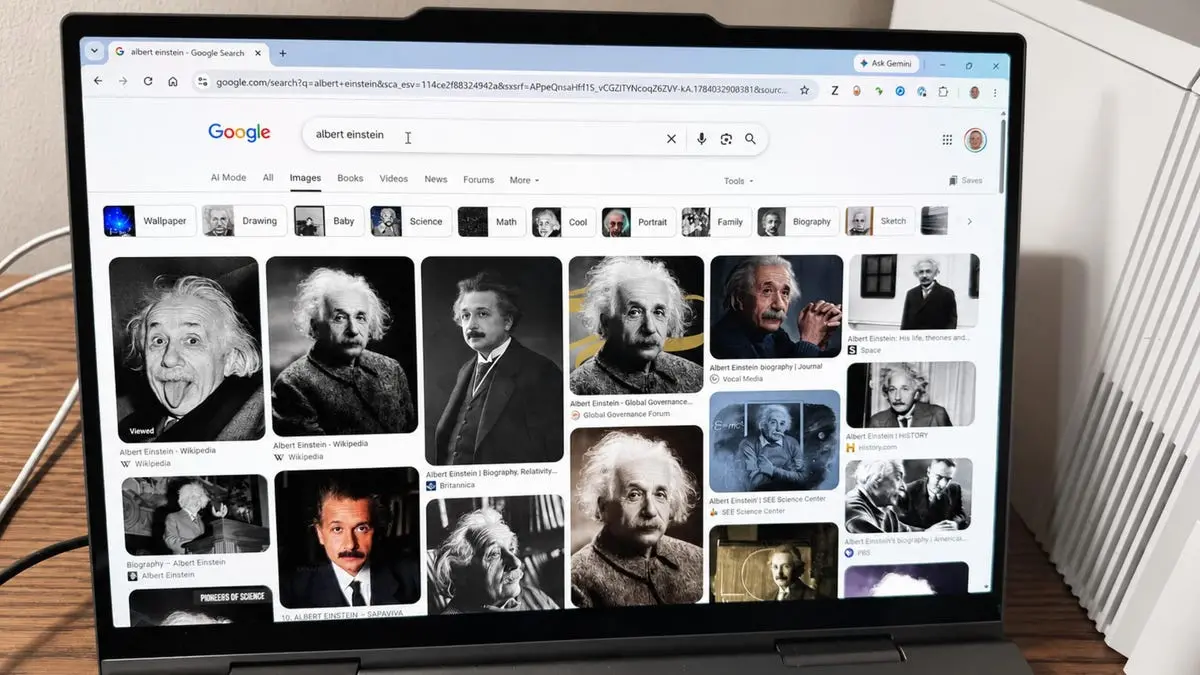
Google Images, a staple for visual search for 25 years, is getting a significant upgrade. The search giant announced that users will soon be able to generate custom images directly within the AI Overviews feature of Google Search. This move aims to solve the common frustration of not finding the perfect image for a specific need.
AI Image Generation in Search
The new capability is integrated into AI Overviews, which already provide summarized answers to search queries. When a user searches for an image and the existing results do not match their vision, the search term can be transformed into a text prompt. Google's latest image generation model, known internally as Nano Banana, will then create an image tailored to the user's description. This process happens entirely within the AI Overviews window, eliminating the need to leave the search results page.
Google stated in a blog post, "Sometimes, the perfect image is out there on the web, waiting to be found. But other times, you might have a highly specific vision where an image doesn't yet exist." This feature is designed to bridge that gap, allowing users to generate images for presentations, reports, social media, or any other content creation need.
The image generation will roll out in English over the coming weeks. Users in regions that already support image creation in AI mode will be able to use the feature in AI Overviews as well. This expansion reflects Google's broader strategy to embed generative AI more deeply into its search experience.
How It Works in Practice
When a user performs a search that typically yields image results, such as "sunset over a mountain range," AI Overviews may display generated images if the real-world options are insufficient. The user can then refine the prompt by adding details like "with a lake and pine trees in the foreground." The Nano Banana model processes the request and produces a unique image. This is similar to other text-to-image tools, but with the advantage of being integrated directly into the search workflow.
Google has not disclosed full details of the Nano Banana model, but it is likely based on the same Imagen family of models that power other Google generative AI products. The company emphasizes that safety measures are in place to prevent the generation of harmful or misleading content. For instance, attempts to create images of public figures or violent scenes will be blocked.
Google Images Makeover
In addition to the image generation feature, Google Images itself is receiving a visual and functional refresh. The gallery of images will become more dynamic, updating in real time based on the user's interests and interactions. As a user scrolls or clicks, the algorithm will fine-tune the displayed images to better match the searcher's intent.
Another significant change concerns saved images. Previously, users could save images to collections, but navigating back to those saved items was somewhat cumbersome. The new design introduces tabs above the main gallery that allow users to quickly switch between their ongoing search results and their saved collections. This makes it easier to compare saved images or return to a previous search without losing progress.
The makeover will initially roll out on desktop in the United States in English. Users will need to be signed into their Google account to enable the dynamic updates and tabbed collections. Google plans to expand to mobile and other regions later.
Implications for Users and Creators
The integration of AI image generation into Search has broad implications. For casual users, it means less time spent filtering through irrelevant stock photos and more time creating exactly what they need. For professionals, such as graphic designers or marketers, it offers a quick prototyping tool. However, it also raises questions about the impact on stock photography and original content creators. Google likely aims to balance these concerns by labeling generated images clearly and maintaining transparency.
Furthermore, the real-time updating of image galleries could change how users interact with visual search. Instead of static pages, the search results become a personalized feed that adapts instantly. This aligns with trends in other Google products, such as Google News and Discover, which rely on continuous learning algorithms.
Google's timing is notable. The announcement comes amid intense competition in the generative AI space, with rivals like Microsoft's Bing offering similar image creation via DALL-E. By embedding the feature directly into the world's most-used search engine, Google seeks to maintain its edge and attract users who prefer an all-in-one solution.
Technical and Ethical Considerations
While the convenience is clear, the rollout must contend with challenges. Image generation requires substantial computational resources, though Google's infrastructure is well-suited for this. The Nano Banana model is optimized for speed and quality, likely running on Google's custom TPUs. However, generating images on demand for millions of queries could affect latency and cost.
Ethically, the risk of misuse is a major concern. Deepfakes, copyright infringement, and biased outputs are persistent issues in generative AI. Google has implemented filters and content policies, but enforcement at scale is difficult. The company has a history of updating its AI principles and reviewing safety protocols after controversies. For instance, earlier versions of its AI image generator faced criticism for producing inaccurate historical depictions or amplifying stereotypes. Google promises ongoing improvements based on user feedback.
Additionally, the feature's reliance on existing web images for inspiration means that generated images could inadvertently resemble copyrighted works. Google's terms of service will need to address ownership and licensing. Typically, images created via Google's tools are owned by the user but subject to certain usage restrictions. The company may also watermark or trace generated images to ensure accountability.
From a user perspective, the change simplifies the creative process. Instead of jumping between different applications or online generators, everything happens inside Search. This frictionless experience is a key selling point for Google's ecosystem. For those who prefer alternatives, traditional search remains available, but the AI overview will be prominent.
The announcement also highlights Google's commitment to keeping its search product fresh. After 25 years, Google Images remains a vital tool, but with the rise of visual platforms like Pinterest and Instagram, the company must innovate. The addition of real-time updates and AI generation directly addresses modern user expectations for speed and personalization.
As the rollout commences in the coming weeks, users in the US will be the first to experience the new features. Google's blog post indicated that the enhancements would gradually reach more languages and regions. For now, the focus is on English-language queries and desktop usage. Mobile updates are expected later, which will be crucial given the high volume of image searches on smartphones.
Overall, this update represents a significant step in making AI more accessible and practical within everyday search. By eliminating the gap between search and creation, Google aims to redefine how people find and produce visual content. Whether it will fully replace traditional image search remains to be seen, but it certainly adds a powerful new tool for users worldwide.
Source:ZDNET News