

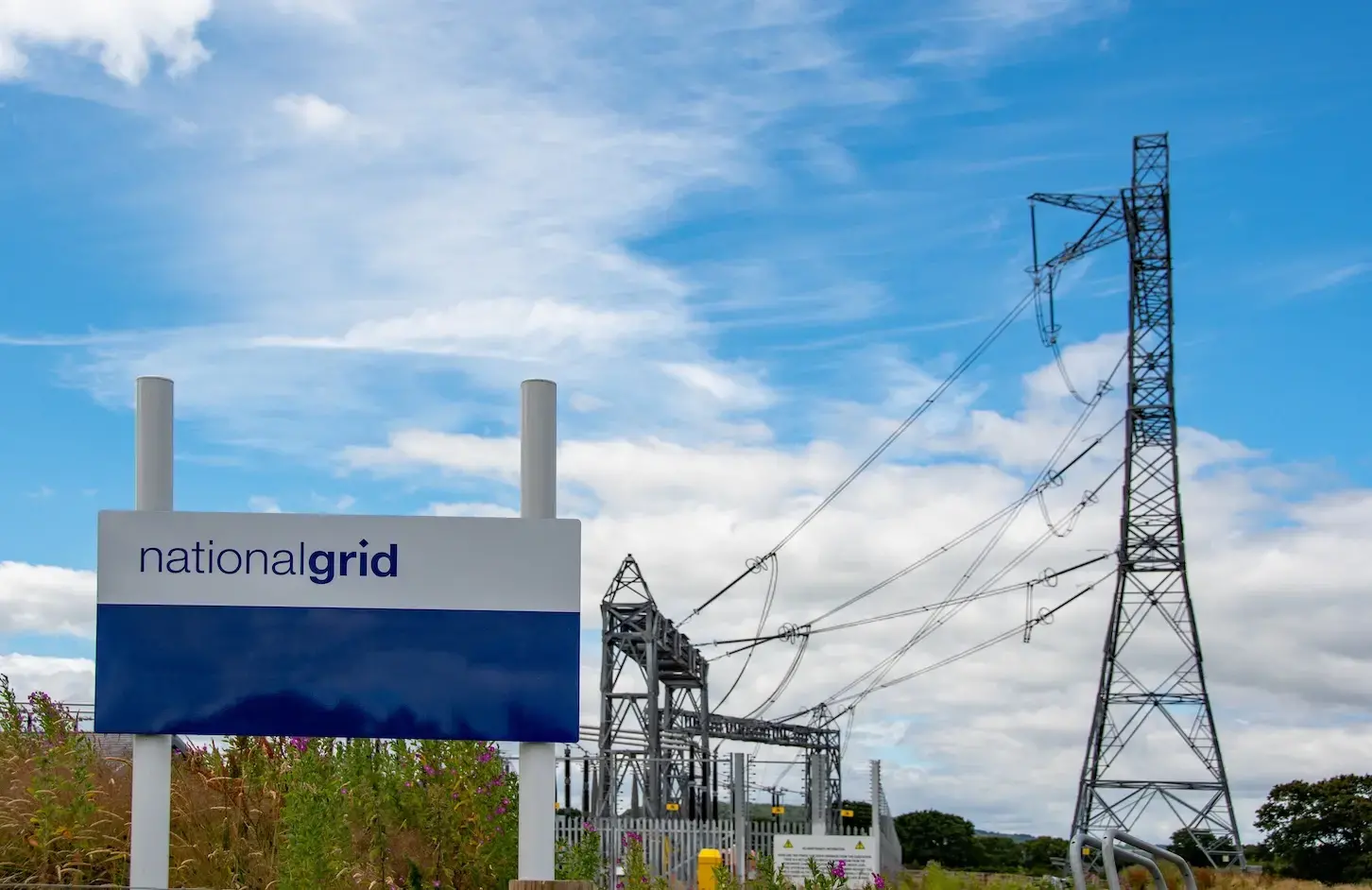
The United Kingdom is in the midst of an energy transformation, but the accelerating adoption of artificial intelligence is creating a new kind of crisis. AI models, particularly large language models and deep learning systems, require enormous amounts of computing power, which in turn demands vast quantities of electricity. Data centres, the physical backbone of AI, are proliferating across the country, and their energy consumption is projected to skyrocket. The National Grid, already struggling to balance supply and demand with an ageing infrastructure and increasing reliance on intermittent renewable sources, is facing a perfect storm. Without immediate intervention, the grid could become unstable, leading to blackouts, higher costs, and a slowdown in AI innovation. Fortunately, technology itself may hold the solutions to this very crisis.
The Scale of the AI Energy Problem
To understand why AI poses such a threat to the grid, we must first quantify its energy appetite. Training a single large AI model can consume as much electricity as a small town uses in a year. For instance, training GPT-3 is estimated to have used over 1,300 megawatt-hours of electricity, enough to power 130 average UK homes for a year. And that is just training; inference, the process of using the model to generate responses, adds ongoing demand. With companies like Google, Microsoft, and Amazon planning massive expansions of their UK data centre footprints, the cumulative load could double or triple over the next decade.
The UK grid was not designed for this level of concentrated, continuous power draw. Many data centres are located in areas with limited grid capacity, requiring expensive upgrades. Moreover, AI workloads are often spiky: they can surge unpredictably, causing localised stress. The grid operator, National Grid ESO, has already issued warnings about capacity margins tightening during peak times. The crisis is not hypothetical; it is already unfolding, as seen in the recent delays in connecting new data centres to the grid due to a lack of available capacity.
Smart Grids and Real-Time Management
One of the most promising technological approaches is the development of smart grids that use AI and IoT sensors to manage electricity flow dynamically. Rather than relying on static capacity planning, smart grids can monitor consumption in real-time, predict demand surges, and automatically reroute power from underutilised areas. For example, advanced distribution management systems can integrate data from smart meters, weather forecasts, and substation sensors to optimise voltage and reduce losses. This allows the grid to handle more load without physical upgrades.
Furthermore, machine learning algorithms can be trained to forecast data centre power demand with high accuracy. By analysing historical usage patterns, types of AI workloads, and even stock market volatility (which correlates with trading algorithms), these models can give grid operators hours of advance notice. This enables proactive measures such as triggering demand response programmes or calling on backup generation. Several pilot projects in the UK, such as the Smart Grid Forum and the Energy Digitalisation Taskforce, have demonstrated that AI-driven grid management can reduce peak load by up to 15%.
Demand Response and Flexible Power Use
Another critical technology is demand response (DR), where large consumers like data centres agree to reduce or shift their electricity usage during peak periods in exchange for financial incentives. Traditionally, DR has been manual, but modern systems use automated software that can cut non-critical loads in milliseconds. For AI data centres, this could mean pausing batch processing jobs, downclocking servers, or shifting training tasks to off-peak hours. The UK's Electricity System Operator (ESO) operates a Balancing Mechanism that already pays providers to adjust demand. With better automation, the potential for DR is enormous. For instance, Google's DeepMind used AI to reduce its data centre cooling energy by 40%, but similar techniques can be applied to entire fleets of servers to modulate power usage.
Additionally, the concept of 'flexibility markets' is gaining traction. In these markets, third-party aggregators pool together hundreds of small-scale flexible resources like electric vehicle chargers, heat pumps, and batteries. These virtual power plants can respond within seconds to grid signals. As AI expands, such flexibility becomes essential. The UK government has mandated that from 2026, all new data centres must participate in flexibility services or face higher connection charges, forcing the industry to adopt these technologies.
Energy Storage: The Missing Link
Energy storage is a linchpin for resolving the AI crisis. Batteries, pumped hydro, and emerging technologies like liquid air or compressed air storage can absorb excess renewable generation when it is abundant and release it when demand spikes. For AI data centres, colocation with large-scale battery systems offers a dual benefit: they can operate independently from the grid during peak times, and they can participate in frequency regulation markets to earn revenue. The UK already has over 1.5 GW of battery storage installed, but this needs to at least triple to meet the expected load from AI. New long-duration storage (4–12 hours) is particularly important because AI workloads can last for days on end. Companies like Siemens and Tesla are developing massive battery installations for data centre campuses in the UK, effectively creating 'behind-the-meter' grids that reduce stress on the national network.
Renewable Integration and Microgrids
Tech can also solve the AI crisis by accelerating the integration of renewable energy. Data centres are ideally suited to be powered by wind and solar because they can flexibly shift non-urgent tasks to times when the sun is shining or wind is blowing. This is known as 'carbon-aware computing' or 'load shifting.' Google, for instance, already strives to run its global data centres on carbon-free energy 24/7 by 2030. In the UK, several new data centre projects are being built adjacent to offshore wind farms, with direct subsea cables to bypass the strained grid entirely. These microgrids operate independently and can even feed excess power back into the system, improving overall resilience. Moreover, using green hydrogen produced from surplus wind energy is being explored as a way to store energy for extended periods, potentially feeding fuel cells that keep data centres running during long winter nights when solar is low.
Advanced Cooling Technologies
Cooling accounts for a significant portion of data centre energy consumption—sometimes up to 40%. AI workloads generate immense heat, and traditional air conditioning is both energy-intensive and inefficient. Here, technology offers multiple solutions. Liquid immersion cooling, where servers are submerged in non-conductive dielectric fluid, can eliminate the need for chillers and reduce energy use by 90% for cooling. Direct-to-chip cooling and rear-door heat exchangers also dramatically cut power. By deploying these advanced cooling systems, data centres can free up grid capacity for other uses. In the UK, several colocation providers are retrofitting their facilities with liquid cooling to accommodate high-density AI racks. This not only lowers their carbon footprint but also allows them to pack more compute into the same floor space, further improving efficiency.
Policy and Regulatory Tech
Beyond hardware, technology can streamline the regulatory and planning processes that currently bottleneck grid connections. Digital twins of the entire UK grid, fed by real-time data, can simulate the impact of new data centres and identify optimal locations. This helps planners avoid areas with weak grid infrastructure and accelerate approvals. Blockchain-based energy trading platforms are also emerging, enabling peer-to-peer energy sales between data centres and renewable generators. This decentralised approach reduces reliance on the central grid and encourages local renewable development. The UK government's recent 'Energy Digitalisation Strategy' specifically calls for such digital tools to improve transparency and speed up infrastructure deployment.
Artificial Intelligence for the Grid Itself
Ironically, the same technology that is causing the crisis can be deployed to manage it. AI and machine learning are being developed to optimise grid operations in ways humans cannot. For example, reinforcement learning algorithms can learn the optimal dispatch schedule for thousands of generators and storage units across the country, balancing cost, emissions, and reliability. These systems can predict equipment failures before they happen, reducing downtime. They can also detect cyberattacks or anomalies that could destabilise the grid. The UK's National Grid has already partnered with AI firms to trial such systems, reporting a 10% improvement in operational efficiency. As the AI-driven load grows, these intelligent grid management tools will become indispensable.
The Path Forward
Solving the UK energy grid's AI crisis will require a combination of all these technologies working in concert. No single silver bullet exists; instead, a holistic ecosystem of smart grids, storage, flexibility, renewables, and advanced cooling must be deployed rapidly. The good news is that the UK has a strong foundation in energy tech innovation, from the world-leading Offshore Renewable Energy Catapult to the Energy Storage Research Network. Government incentives, such as the Contracts for Difference scheme and the upcoming Capacity Market reform, are aimed precisely at enabling these solutions. Data centre operators, for their part, are beginning to treat energy efficiency and grid interaction as strategic imperatives rather than afterthoughts. The crisis is genuine, but the technological toolkit to overcome it is also more advanced than ever. The key lies in scaling these technologies fast enough to stay ahead of AI's insatiable demand for power.
Source:UKTN News