

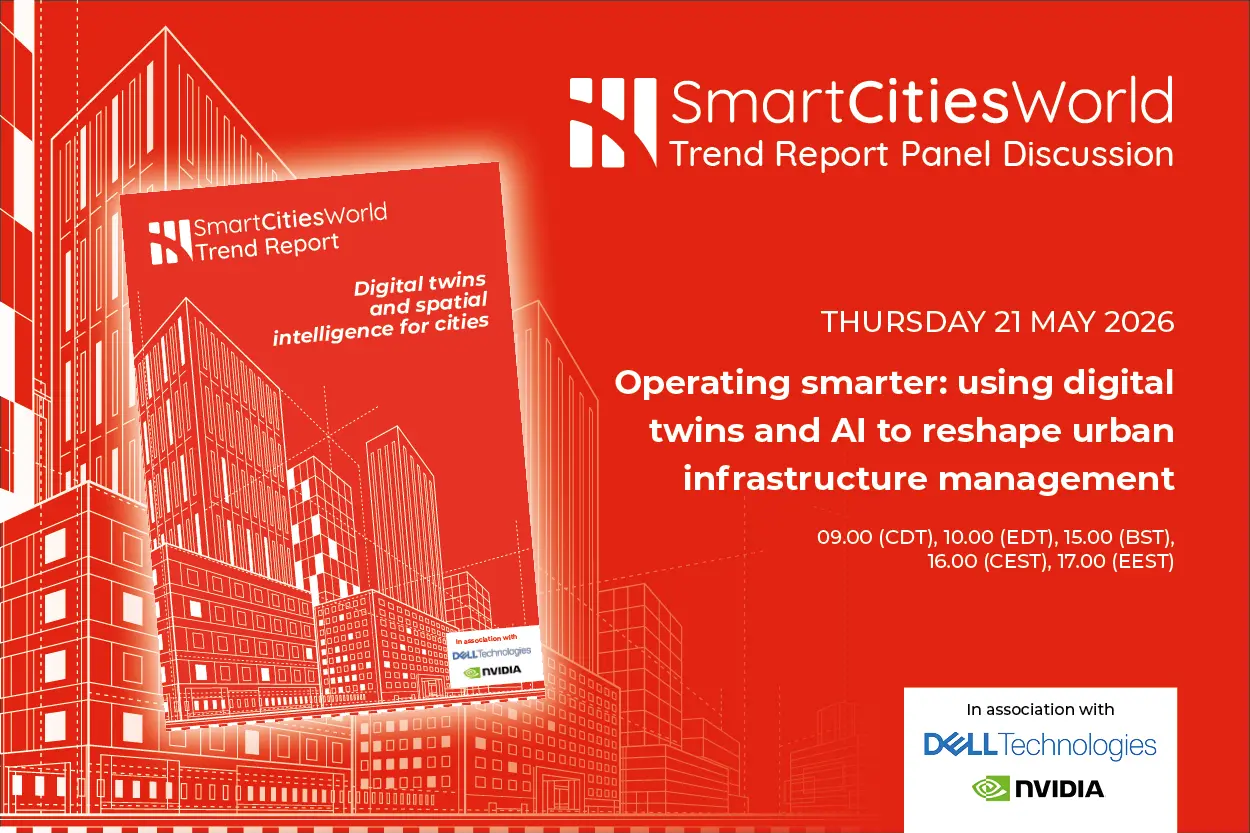
As urban populations continue to grow and infrastructure ages, cities face unprecedented challenges in managing their resources efficiently while ensuring resilience against climate change and other disruptions. The SmartCitiesWorld Summit 2026 brought together global leaders, technologists, and policymakers to discuss innovative solutions. One of the most anticipated sessions was the on-demand trend report panel titled 'Operating Smarter: Using Digital Twins and AI to Reshape Urban Infrastructure Management.' This virtual discussion delved into how cities can transition from reactive maintenance to proactive, risk-based strategies powered by digital twins and artificial intelligence.
The Rise of Digital Twins in Urban Management
Digital twins—virtual replicas of physical assets, systems, or processes—have emerged as a transformative tool for city planners. By creating real-time simulations of infrastructure such as bridges, water networks, and energy grids, cities can monitor performance, predict failures, and optimize operations. The panel highlighted that moving beyond traditional resilience toward more strategic risk management requires integrating digital twins with AI algorithms that can analyze vast amounts of sensor data. For example, a digital twin of a city’s transportation network can simulate traffic flows, identify bottlenecks, and suggest adaptive signal timings to reduce congestion. Similarly, for water systems, digital twins enable early detection of leaks and predictive maintenance of pipes, thereby saving costs and preventing service disruptions.
However, the panel also noted that building effective digital twins demands robust data foundations. Cities must invest in IoT sensors, data integration platforms, and interoperable standards. Without high-quality, real-time data, digital twins remain static models with limited value. Moreover, governance frameworks are needed to ensure data privacy and security while enabling cross-departmental sharing. The discussion emphasised that digital twins are not just technology projects but also organizational transformations that require collaboration between IT departments, infrastructure agencies, and private sector partners.
AI and Energy System Transformation
Another key theme of the panel was the role of local authorities in shaping energy systems through renewables, flexibility, storage, and smarter networks. AI-powered digital twins can optimize the integration of renewable energy sources like solar and wind into the grid, balancing supply and demand in real time. For instance, machine learning models can predict energy generation from renewables based on weather forecasts and adjust storage systems accordingly. Cities can also use digital twins to design district heating networks that capture waste heat from data centers or industrial facilities, improving overall energy efficiency.
The panelists discussed how local governments can leverage these technologies to meet carbon neutrality goals while ensuring affordable energy for residents. They cited examples of cities that have implemented virtual power plants—aggregations of distributed energy resources managed by AI to provide grid services. Such initiatives not only reduce reliance on fossil fuels but also create new revenue streams for municipalities. However, the transition requires careful planning to address equity concerns, as low-income communities often bear the brunt of energy inefficiency and pollution. The panel called for inclusive strategies that ensure the benefits of smart energy systems reach all citizens.
Beyond Resilience: Towards Regenerative Cities
Professor Lily Kong, President of Singapore Management University, offered a visionary perspective during the summit. She argued that cities must move beyond merely bouncing back from shocks (resilience) to becoming regenerative, restorative, and sensitive to community needs. Regenerative cities actively improve their surroundings—restoring ecosystems, enhancing biodiversity, and fostering social well-being. For example, urban green spaces that absorb stormwater, reduce heat island effects, and provide recreational areas contribute to both ecological health and quality of life.
Professor Kong highlighted that digital twins can support regenerative goals by modeling the complex interactions between natural and built systems. AI can analyze urban metabolism—the flow of energy, water, and materials—to identify opportunities for circular economy practices. For instance, a digital twin of a district could simulate how to close loops between waste production and recycling, or how to design buildings that generate more energy than they consume. The panel agreed that such holistic approaches require systems thinking, where data from multiple domains—transport, energy, water, waste—are integrated to reveal synergies and trade-offs.
City Spotlights: Sunderland and Dublin
The summit also featured city profiles that illustrate real-world implementation of smart city strategies. Sunderland, UK, is repositioning itself as a leading smart city by investing in digital infrastructure and low-carbon innovation. The city’s digital twin platform enables stakeholders to visualize urban development plans, simulate the impact of new buildings on traffic and energy demand, and engage citizens through interactive dashboards. Sunderland has also deployed smart streetlights with sensors for air quality monitoring and adaptive lighting, reducing energy consumption by up to 70%.
Dublin, Ireland, is innovating to improve community services through several digital twin projects. The city uses a 3D model of its streetscape to optimize traffic flow and reduce congestion. By integrating data from public transport, bike-sharing stations, and real-time car park occupancy, Dublin’s mobility team can adjust signal timings and provide predictive arrival information via mobile apps. Additionally, the city is exploring digital twins for heritage preservation, capturing 3D scans of historic buildings to monitor structural health and plan renovations. Dublin’s approach demonstrates that digital twins can serve both economic growth and quality-of-life goals.
Smart Lighting and Cybersecurity
Two episodes of the 'Cities Thriving on Lighting' series were highlighted during the summit. The first episode examined how global cities are approaching smart lighting while addressing cybersecurity risks. As streetlight networks become connected, they create potential entry points for cyberattacks. The panel stressed the need for secure hardware, encrypted communications, and regular firmware updates. The second episode focused on turning existing streetlight infrastructure into secure, interoperable, and future-proof networks. This involves adopting open standards to avoid vendor lock-in and designing systems that can integrate with other city sensors, such as cameras and environmental monitors.
Cybersecurity experts on the panel recommended that cities conduct risk assessments before deploying IoT devices and establish incident response plans. They also advocated for public-private partnerships to share threat intelligence and best practices. With the proliferation of connected devices in urban environments, smart lighting exemplifies the delicate balance between innovation and security.
Katherine Flesh of Microsoft contributed insights on AI in transport. She noted that while AI offers tremendous opportunities to improve services—such as predictive maintenance of buses, dynamic scheduling, and personalized journey planning—success depends on strong data foundations, workforce readiness, and responsible governance. Transport agencies must clean and standardize data from disparate sources, train employees to work alongside AI tools, and establish ethical guidelines to avoid bias in algorithms. For instance, an AI system that optimizes bus routes might inadvertently reduce service in low-demand areas, disproportionately affecting marginalized communities. Therefore, human oversight and community input remain essential.
Finally, Ecomondo, a platform dedicated to green technologies, discussed priorities shaping healthier, more sustainable cities. The SmartCitiesWorld Summit was praised as a valuable venue for sharing practical solutions and building new connections across sectors. From climate finance and resilient infrastructure to AI-enabled public services, the summit demonstrated that the future of cities hinges on the ability to connect people, data, infrastructure, and investment into coherent, place-based strategies. As the panel concluded, operating smarter with digital twins and AI is not just about efficiency—it is about creating cities that are adaptive, equitable, and regenerative for generations to come.
Source:Smart Cities World News