

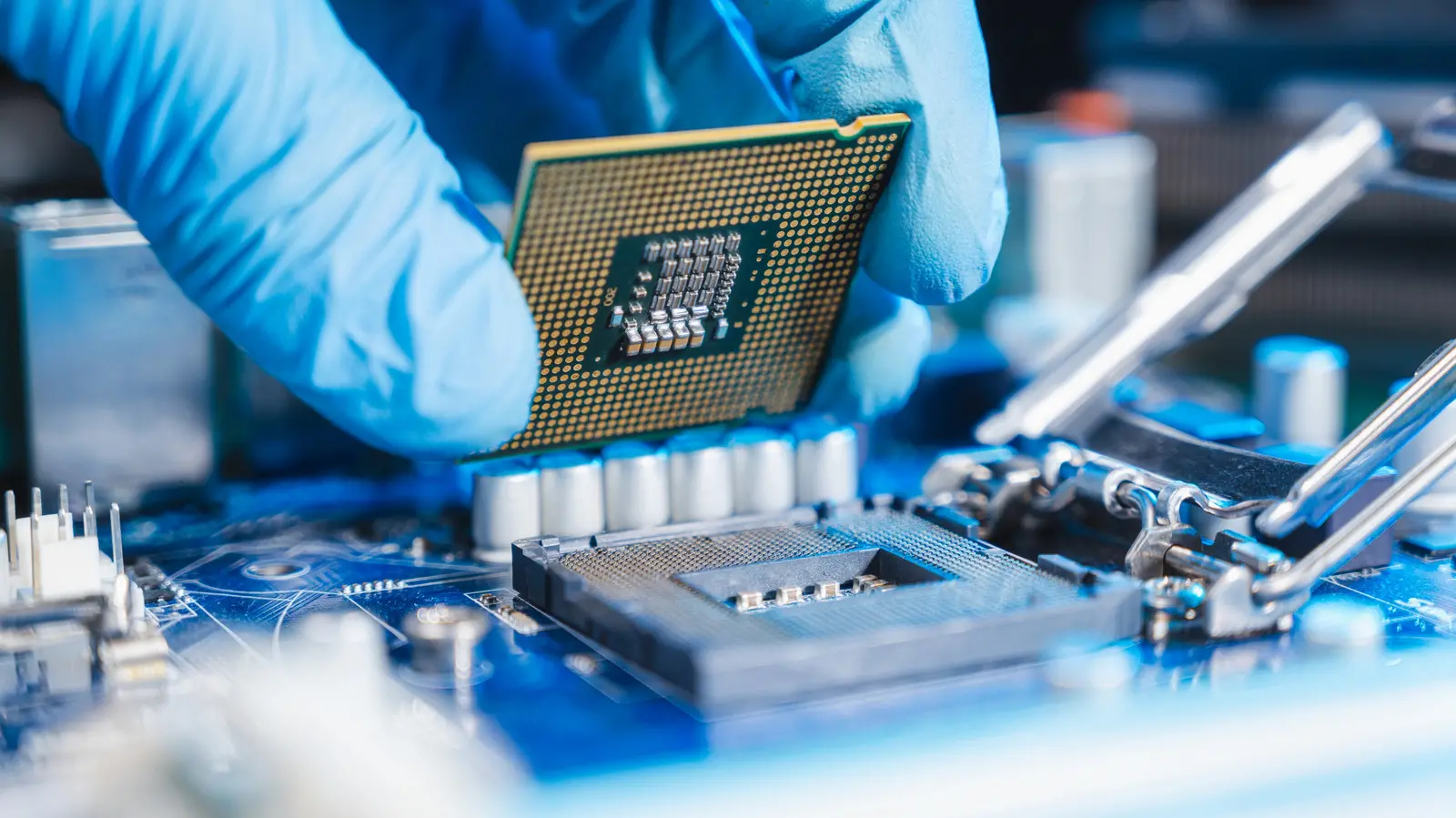
Buying used PC parts is one of the most reliable ways to stretch a budget. A gently used graphics card, a retired case, or an older CPU can deliver strong performance for far less than new hardware, and keeping components in service is better for the environment than sending them to a landfill. For builders who know the market, used shopping can be a treasure hunt with real rewards.
But used shopping carries risk. Some components are simple and durable, while others contain moving parts, proprietary designs, or critical links in the power and cooling chain. When one of those parts fails, it can take other hardware with it. The following 10 categories of PC tech are the ones to treat with the most caution when buying used. Their presence on this list does not mean a used purchase is impossible. It means the odds of getting a defective or troublesome product are higher, and the savings may not justify the gamble.
AIO and prebuilt PCs
All-in-one computers and prebuilt desktops are often poor candidates for the used market. AIOs are built more like laptops than traditional desktops. In many models, the storage and memory can be upgraded, but the processor, graphics chip, motherboard, and display are tightly integrated. If a critical component fails, repair can be difficult, expensive, or practically impossible. A used AIO may also be well past its warranty, leaving the buyer with no support if the screen, board, or cooling system gives out.
Prebuilt PCs are a mixed bag. Some use standard parts that can be swapped and upgraded, while others rely on proprietary motherboards, power supplies, and front-panel connectors. A proprietary board can be tied to a custom case, and a failed power supply may be hard to replace with an off-the-shelf unit. If you are considering a used prebuilt, research the exact model and look for one with as few custom parts as possible. Otherwise, building a system from standard components may be the safer path.
Motherboards
The motherboard ties every component together, which is exactly why it is risky to buy used. RAM slots, the CPU socket, and PCIe slots can wear out or suffer damage. A single bad slot or bent pin can prevent the system from posting. Motherboards can also fail because of power surges, manufacturing defects, or age-related capacitor degradation. New boards from reputable brands generally have low defect rates, but used boards come with unknown history.
Even a seller with good photos and positive feedback may not know what a motherboard was exposed to. It could have been run in a dusty mining rig, subjected to repeated overclocking, or damaged during a previous installation. Warranties usually do not transfer to a second owner, so a used board often has no safety net. Open-box and refurbished motherboards are a different story. They often include a warranty or return policy, making them a much better option for buyers seeking a discount.
Storage drives
Used storage drives are a gamble for different reasons depending on the technology. Hard disk drives contain spinning platters, moving actuator arms, and bearings that wear out over time. A used HDD may have run for years in a home server, security system, or office workstation. Its SMART data may reveal power-on hours and reallocated sectors, but many sellers do not provide that information. Because HDDs are mechanical, buying new is usually the wiser choice for bulk storage.
Solid-state drives are less risky because they have no moving parts. Their lifespan is measured in terabytes written, or TBW. Under normal desktop use, most users will never come close to exhausting a modern SSD within its warranty period. A used SSD can still be a good deal if the seller provides SMART data showing low wear. If the drive is near its rated TBW or the seller refuses to share usage details, it is best to walk away.
Case fans
Case fans are inexpensive, mechanical, and hard to inspect. A fan may look clean on the outside while its bearings are dry, noisy, or close to failure. The way a fan was used matters enormously. Some systems run fans at low speeds for silence, while others keep them at maximum rpm for years. Without testing the fan in person, a buyer cannot know which category a used fan falls into.
Because basic fans cost very little, the savings from buying used are often minimal. New fans also come with a warranty and a known service life. The exception is premium RGB fans, which can be expensive when purchased in sets. If you buy those used, ask for current photos or video showing every light and fan working. Buy only from sellers with a strong record, and avoid listings that use generic stock images.
Water coolers
Liquid cooling can offer strong thermal performance, but it introduces several failure points. The pump is the most common point of failure, and because the loop is sealed, there is no easy way to inspect wear. Heat, humidity, dust, and hours of operation all affect how long a cooler lasts. A used unit may be only months old, or it may be close to a pump failure that the seller cannot predict.
Hose wear is another concern. Repeated bending and twisting during installation can weaken tubing, and a leak can damage a motherboard, graphics card, or power supply. Many new water coolers come with warranties that cover water damage, which is a major advantage over buying used. That protection can be worth far more than the discount on a secondhand cooler.
Power supplies
A power supply is one of the most important parts to buy new. It feeds every component in the system, and a failing PSU can send unstable voltages or a power surge through the entire build. It may appear to work normally while slowly damaging drives, memory, or the motherboard. When a PSU dies dramatically, it can take multiple components with it.
Quality power supplies often carry five- to ten-year warranties, but those warranties usually do not transfer to a new owner. Diagnosing a bad PSU can also be difficult, since the symptoms may look like a motherboard, GPU, or RAM problem. Among experienced builders, used power supplies are widely considered one of the riskiest purchases. Buying new provides known usage, a warranty, and a much better chance of support if something goes wrong.
PSU cables
Modular power supply cables are not universal. Different manufacturers, and sometimes different model lines from the same manufacturer, use different pin layouts on the PSU side. A cable that physically fits can still send power to the wrong pins and destroy components. Because used cables are often separated from their original box and documentation, it can be nearly impossible to confirm which PSU they belong to.
Other internal cables, such as SATA data cables, are usually low-risk because they carry data rather than main power. External cables are also generally safe to buy used. Modular PSU cables are the exception. If you need replacements or custom cables, buy from the original manufacturer, a reputable custom cable maker, or a seller who can prove exactly which power supply the cables came from.
PC peripherals
Peripherals are a murky category. Mice, keyboards, headsets, and microphones can be found used in excellent condition, and mechanical keyboards often last for years. A careful buyer can save money on gear that still has plenty of life left. However, warranties usually do not transfer, and wear can be hidden. A keyboard may have shiny keycaps, a mouse may have a failing scroll wheel, and a headset may have flattened ear pads or a damaged cable.
Inspect listings closely. If a keyboard has RGB lighting, ask for photos showing different colors across all keys. If the seller uses stock images instead of real photos, be cautious unless there is a return policy. Ask questions about age, use, and any defects. A responsive seller with clear images is a much better sign than a low price alone.
Be wary of used GPUs
Graphics cards are among the most sought-after used components, and also among the most common targets for scams. During the cryptocurrency mining boom, demand exploded and fraudulent listings became widespread. That history made many builders avoid used GPUs entirely. The reality is more nuanced. A graphics card that was used for mining is not automatically damaged. If it was kept cool, cleaned, and run within reasonable power limits, it can perform just as well as a card used for gaming.
The bigger issue is fraud. If a price seems too good to be true, it probably is. Buy from trusted sellers, use marketplaces with buyer protection, and consider community forums where members trade hardware and leave feedback. Ask for photos of the card running, a screenshot of sensor data, and proof of the model and memory size. Avoid rushed deals, unusual payment methods, and sellers who refuse to answer basic questions.
Any PC part with a poorly made listing
The warning signs apply to every part on this list. A vague listing, a seller with suspicious feedback, or photos that do not match the description should all raise doubts. Fake reviews often use generic language, repeat the same phrases, or show buyers purchasing identical quantities of the same item. Listings filled with spelling and grammar errors can also signal a scam or a seller who does not care about accuracy.
Prices that are far below market value are a major red flag. A high-end graphics card, a premium motherboard, or a large SSD offered for a tiny fraction of its normal price is usually either broken, stolen, or nonexistent. Short listings that disappear quickly, aggressive messages pushing a fast sale, and sellers who refuse to provide additional photos are also warning signs.
A good used listing should include clear photos of the actual item, an honest description of its condition and history, and a seller who is willing to answer questions before payment. If a listing cannot meet those basic standards, the risk is not worth the discount. The best used purchases come from patient buyers who verify details, compare prices, and walk away when something feels wrong.
Source:SlashGear News