

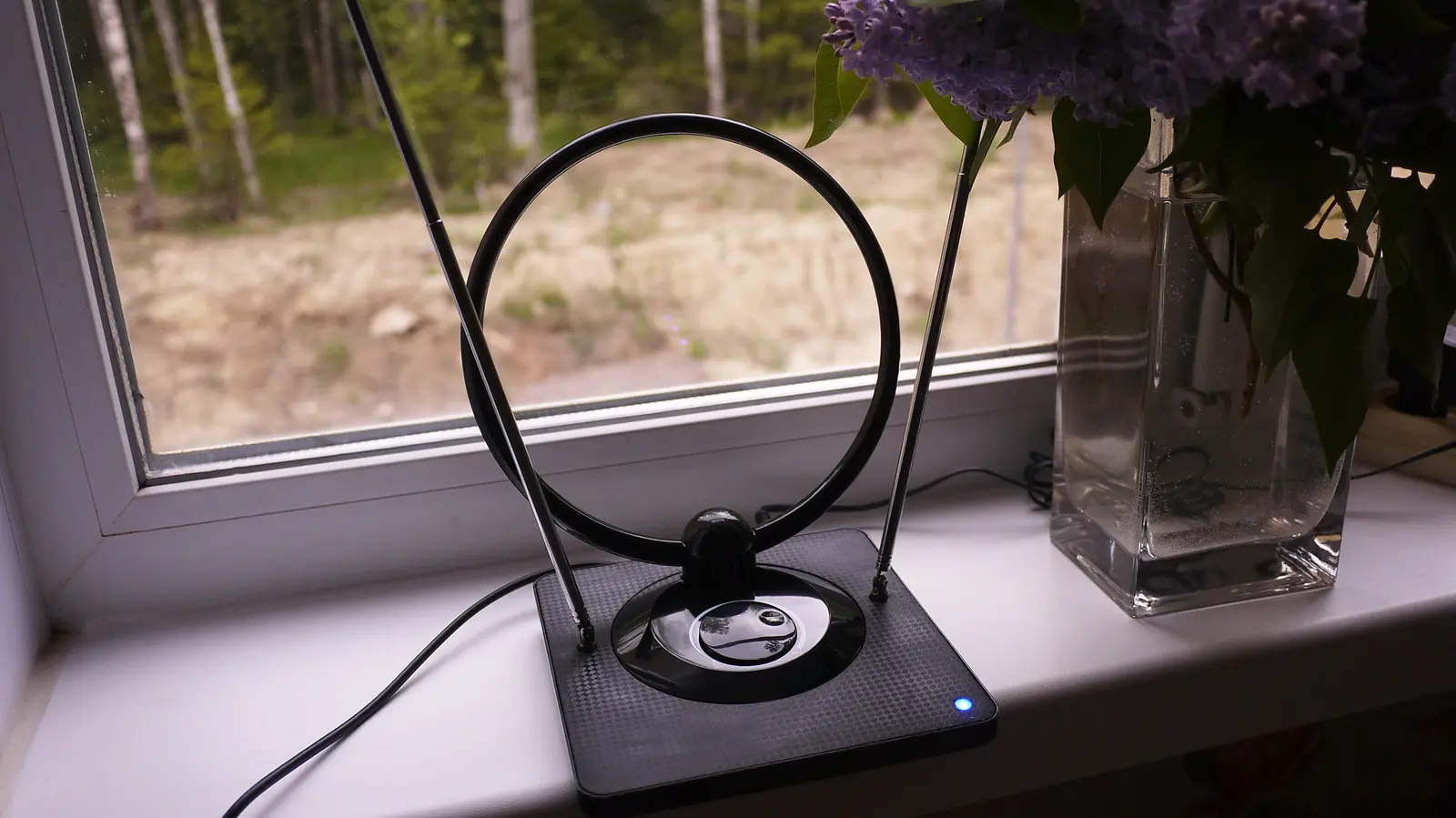
If you rely on a TV antenna to watch free over-the-air channels, you may eventually find that your indoor model struggles to pull in a steady signal. This is especially common in areas where broadcast towers are far away, or where walls, windows, and other obstacles block the radio waves. You might then ask yourself: can I simply move my indoor antenna outside? The short answer is yes, you can, but it comes with several important caveats. While placing an indoor antenna outdoors can sometimes improve reception, doing so in the long run is generally not recommended because these antennas are not built to handle the elements.
Indoor and outdoor TV antennas are designed for different environments, even though they both perform the same basic job of capturing broadcast signals. Indoor antennas are typically smaller, lightweight, and made to blend into a living room or bedroom. They often work reasonably well in urban and suburban areas where broadcast towers are located within 15 to 30 miles of your home. Their compact design makes them easy to place on a shelf, table, or near a window. However, that same design means they usually lack robust weatherproofing. They are not meant to be exposed to direct sunlight, rain, snow, humidity, or temperature extremes for extended periods.
Outdoor antennas, by contrast, are engineered specifically for outside installation. They are built with corrosion-resistant materials, sealed connections, and rugged housings that protect internal components from moisture and UV radiation. Outdoor antennas also tend to have larger surface areas and more advanced elements, allowing them to capture signals from broadcast towers that are 50 to 70 miles away or more. Many outdoor models are designed to be mounted on a roof, eave, or pole, and they come with hardware that makes installation straightforward and secure. These design differences matter a great deal when you consider moving an indoor antenna outdoors.
Why Indoor Antennas Are Not Built for Outdoor Use
The most obvious reason to avoid using an indoor antenna outdoors is the lack of weatherproofing. The plastic casing on a typical indoor antenna is thin and not sealed against moisture. Rain can seep into tiny seams, humidity can corrode the internal metal elements, and prolonged exposure to UV rays can make the plastic brittle and discolored. Over time, this exposure will degrade the antenna's performance and eventually cause it to fail. Even if the antenna continues to work, its signal reception may become weaker as corrosion sets in on the elements and the connecting cable.
Temperature extremes can also harm an indoor antenna. In many regions, outdoor temperatures can range from freezing in winter to scorching in summer. These fluctuations can cause materials to expand and contract, potentially cracking the housing and damaging solder joints. Indoor antennas are simply not designed to survive such conditions. A temporary outdoor setup might last for a few weeks or months, but if you leave it outside all year, you should be prepared to replace it much sooner than you would if it had remained indoors.
Another consideration is mounting. Indoor antennas are usually meant to sit on a flat surface or hang on a wall using a simple adhesive strip. They rarely come with the sturdy mounting brackets, U-bolts, or mast clamps that outdoor installations require. If you try to mount an indoor antenna on a roof or the side of your house, you may find it difficult to secure it properly. A loosely mounted antenna can be blown down by strong winds, damaging the antenna and potentially creating a safety hazard. Even if you are only placing the antenna on a porch or balcony, you need to make sure it is stable and cannot fall.
Does Placing an Indoor Antenna Outdoors Actually Improve Reception?
It is true that moving an antenna outdoors can improve signal reception in many cases. Outdoor placement removes the signal-blocking effects of walls, roofs, and window glass. The antenna also gets a clearer line of sight toward the broadcast towers, which can result in stronger signals and fewer dropouts. If you live in a marginal reception area, you may notice a significant improvement in the number of channels you can receive and the stability of the picture.
However, simply moving the antenna outside does not guarantee better results. Signal reception depends on many factors, including the antenna's placement, height, orientation, and proximity to reflective surfaces. An indoor antenna placed outdoors but still low to the ground may not perform much better than one placed near a window. You may need to experiment with different locations and angles to find the best position. This can be frustrating, especially if you have to bring the antenna inside each time you want to adjust it.
Another issue is that indoor antennas are directional or omnidirectional, and their beamwidth is often limited. Many indoor antennas are designed to pick up signals from a specific direction in a given room, but they are not optimized for the wide-open outdoor environment. You might receive signals from some towers while missing others, depending on how the antenna is oriented. A properly designed outdoor antenna would give you better control over aiming and would likely capture more channels overall.
Is It Safe to Use an Indoor Antenna Outdoors Temporarily?
If you are considering a short-term outdoor placement, you can take certain steps to protect the antenna and reduce the risk of damage. First, you should ground the antenna system, as you would with any outdoor antenna, to reduce the risk of electric shock if it is struck by lightning. This is especially important if you are mounting the antenna high on a roof or mast. Grounding involves connecting a copper wire from the antenna mast to a grounding rod driven into the earth, and it should be done according to local electrical codes.
You should also waterproof the connection between the antenna and the coaxial cable. Moisture entering the connector is one of the most common causes of signal loss and equipment failure. You can use weatherproofing tape, silicone sealant, or specially designed cable entry covers to protect the connection. But even these measures cannot fully protect the antenna's internal components from moisture that may enter through seams or vents. The antenna's plastic housing is typically not sealed tightly enough for permanent outdoor use.
For flat, paper-thin indoor antennas, there is a simpler and safer alternative: move the antenna to the other side of the window. If the glass panel is attenuating the signal, placing the antenna directly against the exterior side of the window can improve reception without exposing the antenna to rain or snow. However, this is also not a long-term solution because the antenna will still be outdoors, at least partially, and may be exposed to condensation and temperature changes. If you only need to do this for a short time, such as during a special event or a temporary move, the risk may be acceptable.
Another option is to install a small, weatherproof outdoor antenna even if you have limited space. Many outdoor antennas are now compact enough to fit on a balcony or eave, and they are specifically designed to withstand the elements. Spending a bit more money on the right tool for the job can save you from the hassle of replacing an indoor antenna every few months. A proper outdoor antenna will also give you more reliable performance and better longevity.
Key Facts to Remember
Here are the most important points to keep in mind if you are thinking about using an indoor TV antenna outdoors:
- Indoor antennas can technically be used outdoors, and you may see an improvement in signal reception.
- Indoor antennas are not weatherproof and may be damaged by rain, humidity, UV rays, and temperature fluctuations.
- Long-term outdoor use will shorten the lifespan of an indoor antenna.
- Mounting an indoor antenna outdoors is often difficult because they lack proper mounting hardware.
- Grounding is essential for any outdoor antenna setup to reduce the risk of lightning damage.
- Waterproofing the cable connection may help temporarily, but it cannot fully protect the antenna's internals.
- Flat indoor antennas can sometimes be placed on the exterior side of a window for short-term use.
- For reliable, long-term outdoor reception, it is always better to use an antenna designed for outdoor installation.
If you are in an area with weak TV signals, upgrading to a good outdoor antenna is a more practical investment than trying to adapt an indoor antenna for outdoor use. Outdoor antennas are purpose-built to handle harsh conditions, and they offer better range and reliability. They are also easier to mount correctly, which allows you to optimize aim and height for the best possible reception. Even though the upfront cost may be higher, you will avoid the recurring expense of replacing damaged indoor antennas.
In the end, while the idea of moving an indoor antenna outdoors is understandable, it is not a smart long-term solution. The brief gain in signal strength is often outweighed by the rapid degradation of the antenna and the potential safety concerns. If you want to improve your over-the-air TV reception, choose an antenna that is made for the job. Your TV viewing experience will be more stable, and you will not have to worry about the weather ruining your equipment.
Source:SlashGear News