

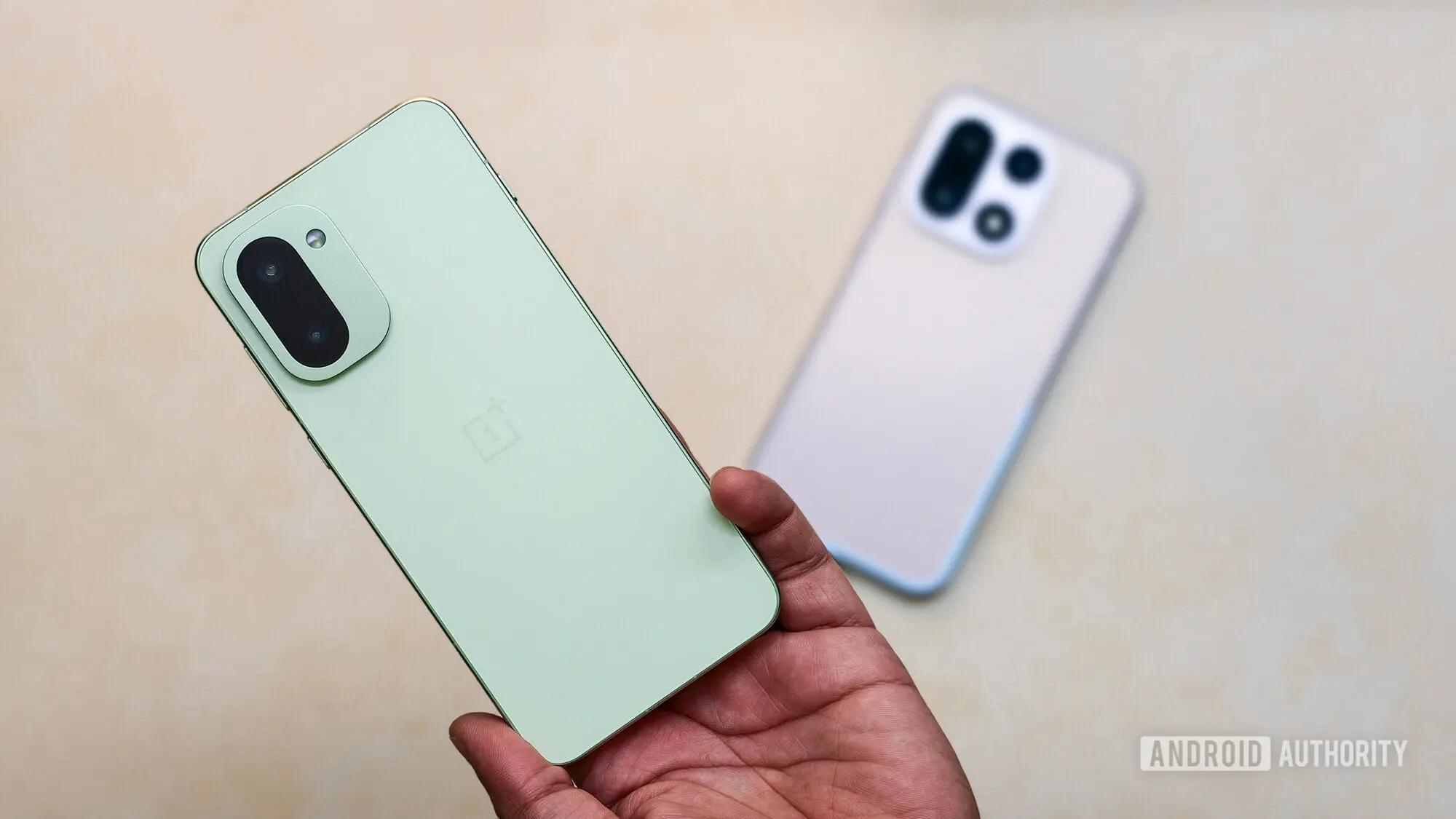
OnePlus has officially kicked off its transition from OxygenOS to ColorOS by opening the first global Closed Beta Testing (CBT) program for the OnePlus 15 and OnePlus 15R. The announcement, made on the OnePlus community forum, marks the clearest signal yet that the software migration announced alongside the company's withdrawal from US and European smartphone markets is now underway. While both devices are sold in the US, the inaugural beta is reserved exclusively for Indian variants, leaving international users waiting for a broader rollout that has not yet been confirmed.
What the ColorOS Beta Includes
The closed beta is open to the OnePlus 15 and OnePlus 15R in India, with 300 testers accepted for each model. Applicants must own the Indian variant of the phone, be registered members of the OnePlus Community, sign a non-disclosure agreement, and join a dedicated Telegram group to communicate directly with the software team. The application window is extremely short, running from August 6 through August 7, which suggests OnePlus is looking to quickly assemble a focused testing cohort rather than cast a wide net.
OnePlus has not disclosed the base Android version for the beta, but Android 17 is widely expected. The company has been testing Android 17 on the OnePlus 15 since March, according to earlier reports, so it is reasonable to assume this ColorOS build is based on the latest major Android release. If confirmed, this would align the beta with Google's annual OS update cycle and give testers an early look at the next generation of OnePlus software.
Transition From OxygenOS to ColorOS
This beta represents a significant shift in OnePlus's software strategy. For years, OxygenOS was a defining feature of OnePlus devices, praised for its near-stock Android experience and clean interface. ColorOS, developed by parent company Oppo, has historically offered a more feature-rich and customized experience, with deeper integration of AI tools, enhanced customization options, and a different visual language.
The decision to consolidate on ColorOS follows OnePlus's announcement that it would withdraw from the US and European smartphone markets. That move, made in 2025, was a strategic pivot aimed at reducing costs and focusing resources on regions where OnePlus remains competitive. The software transition is a natural extension of that plan, allowing OnePlus and Oppo to share a single operating system across their portfolios, streamline development, and accelerate the delivery of updates.
Despite the withdrawal from those regions, OnePlus has promised that existing devices outside the departing markets will continue receiving software support. The ColorOS beta for the OnePlus 15 series is the first concrete step toward fulfilling that pledge, though it is limited to India for now. The company has also confirmed that the OnePlus 16 is still in development, indicating that ColorOS will be the foundation for future OnePlus devices.
Regional Restrictions and User Impact
For US and European users, the regional restriction is likely to be the biggest disappointment. Previous OxygenOS beta programs routinely accepted participants from these regions, but last year's OxygenOS 16 beta was limited to India as well. That pattern suggests OnePlus may continue to restrict future ColorOS testing to the Indian market, at least in the near term.
OnePlus has not announced any plans to open the ColorOS beta to US devices, nor has it provided a timeline for a wider rollout. If the company follows last year's strategy, US and global OnePlus users may have to wait for the stable ColorOS release later this year. This could mean months of uncertainty for those who rely on timely software updates and value the ability to test new features before they are publicly released.
The beta program also carries strict restrictions. Testers are prohibited from sharing screenshots, interface details, benchmark results, update packages, or virtually anything related to the software. This level of secrecy is typical for early development builds, but it underscores the unfinished nature of the software. OnePlus warns participants to expect bugs and to back up their data before installing the beta, as the build will automatically enable Experience Improvement Programs and overnight automatic updates. These programs send diagnostic data to OnePlus and allow the system to install updates during off-peak hours, which can be intrusive but helps the company identify and fix issues quickly.
Context and Historical Background
OnePlus's relationship with OxygenOS has evolved considerably over the years. The company launched with CyanogenOS before developing OxygenOS as a custom Android skin that was widely appreciated for its speed and minimal bloat. Over time, OxygenOS began to incorporate elements from ColorOS, as Oppo and OnePlus deepened their integration within the BBK Electronics ecosystem. This eventually led to the merger of the two software teams and the adoption of a unified codebase.
ColorOS itself has matured significantly in recent versions. It offers features such as advanced privacy controls, extensive theming options, and AI-powered utilities that may benefit OnePlus users. However, some long-time OnePlus fans remain skeptical about the switch, fearing that ColorOS may introduce unwanted changes to the user experience. The beta program gives those users an early opportunity to evaluate the software, even if only a limited number of participants are selected.
Android 17, which is expected to underpin this beta, continues Google's trend of emphasizing on-device AI, improved multitasking, and battery optimization. If ColorOS for the OnePlus 15 integrates these features effectively, it could deliver a competitive software experience that matches or exceeds what OxygenOS offered. But the full assessment will require stable builds and wider availability.
The timing of the beta is also notable. With the OnePlus 16 still on the roadmap, this software transition is not the end of OnePlus's product line but rather a new chapter. The company is clearly positioning ColorOS as the bridge between its current devices and future releases, ensuring that the software ecosystem remains consistent even as hardware changes.
What to Expect Next
Given the short application window and the limited number of testers, this first beta is likely to produce a flurry of feedback and bug reports. OnePlus will use that data to refine the software before considering a broader rollout. The company has not specified how long the beta period will last, nor has it indicated when a stable version might reach devices outside India.
For users in regions where OnePlus still operates, especially India, this beta is an exciting opportunity to shape the future of the software. For those in the US and Europe, the wait may be frustrating, but OnePlus's precedent suggests that a wider release could come later this year. In the meantime, interested users should monitor the OnePlus community forums for updates and be prepared to act quickly if the beta expands.
OnePlus has also not clarified whether the ColorOS beta will eventually merge with OxygenOS or completely replace it. The company's earlier announcements indicated that existing OxygenOS devices would continue to receive support, but the details of that support remain vague. This beta may provide clues about the long-term software strategy, including whether OnePlus will rebrand ColorOS on its devices or introduce a hybrid interface.
The smartphone industry has seen several similar software consolidations in recent years, as manufacturers seek to reduce the cost of maintaining multiple operating systems. Samsung, for example, has unified its One UI across phones and tablets, while Motorola and Xiaomi have also streamlined their update processes. OnePlus's move to ColorOS is part of this broader trend, and it likely reflects the practical need to allocate resources toward a single platform.
Ultimately, the success of this transition will depend on how well OnePlus communicates with its user base and whether the software meets expectations. The closed beta is a crucial first step, but many questions remain unanswered. Will the beta expand to other regions? How long will it take to reach a stable version? And what will happen to OxygenOS users who prefer the older interface? These are the issues that OnePlus will need to address as it navigates this new chapter.
Source:Android Authority News